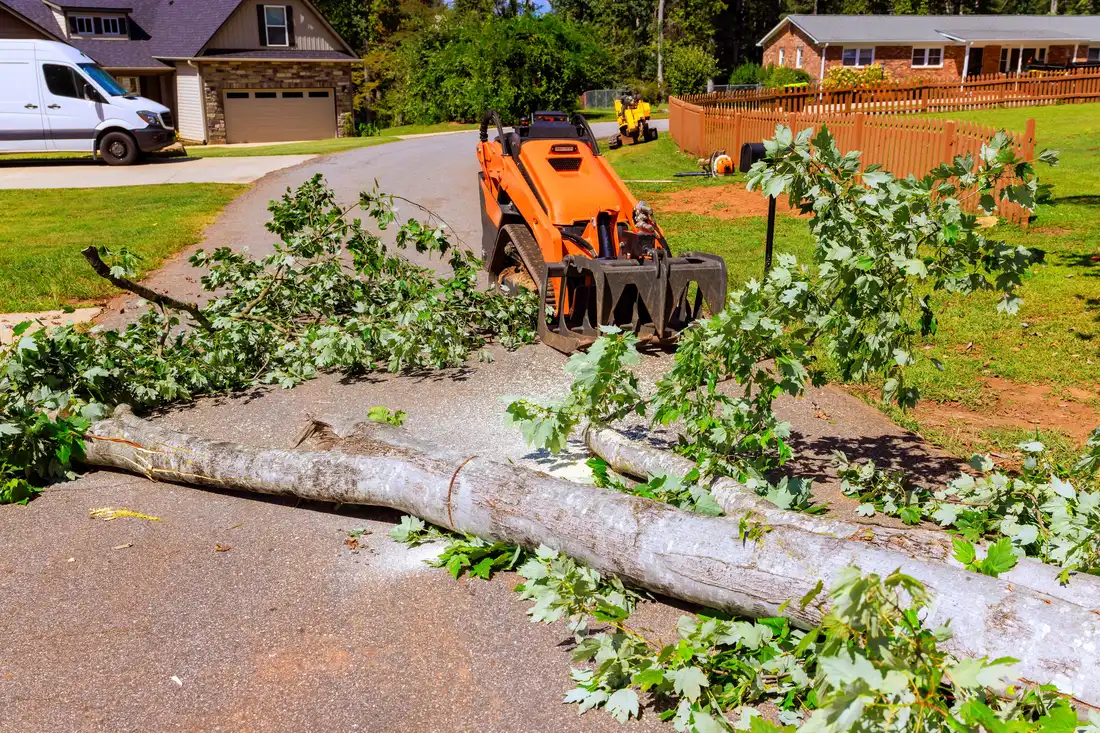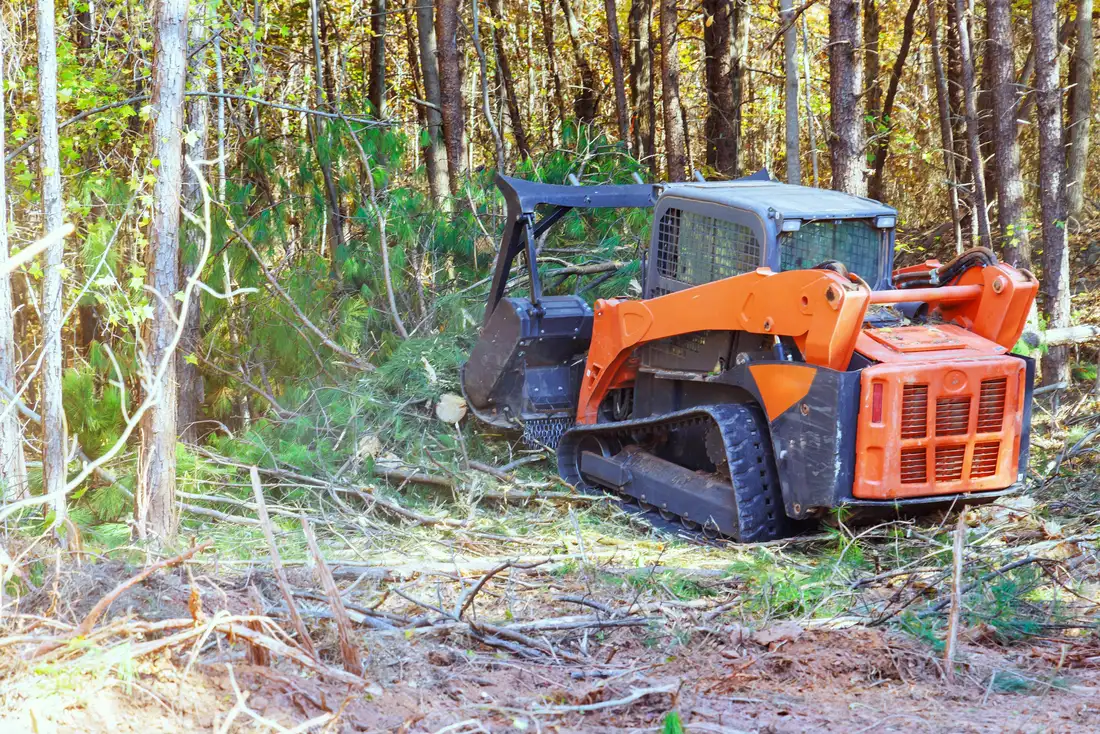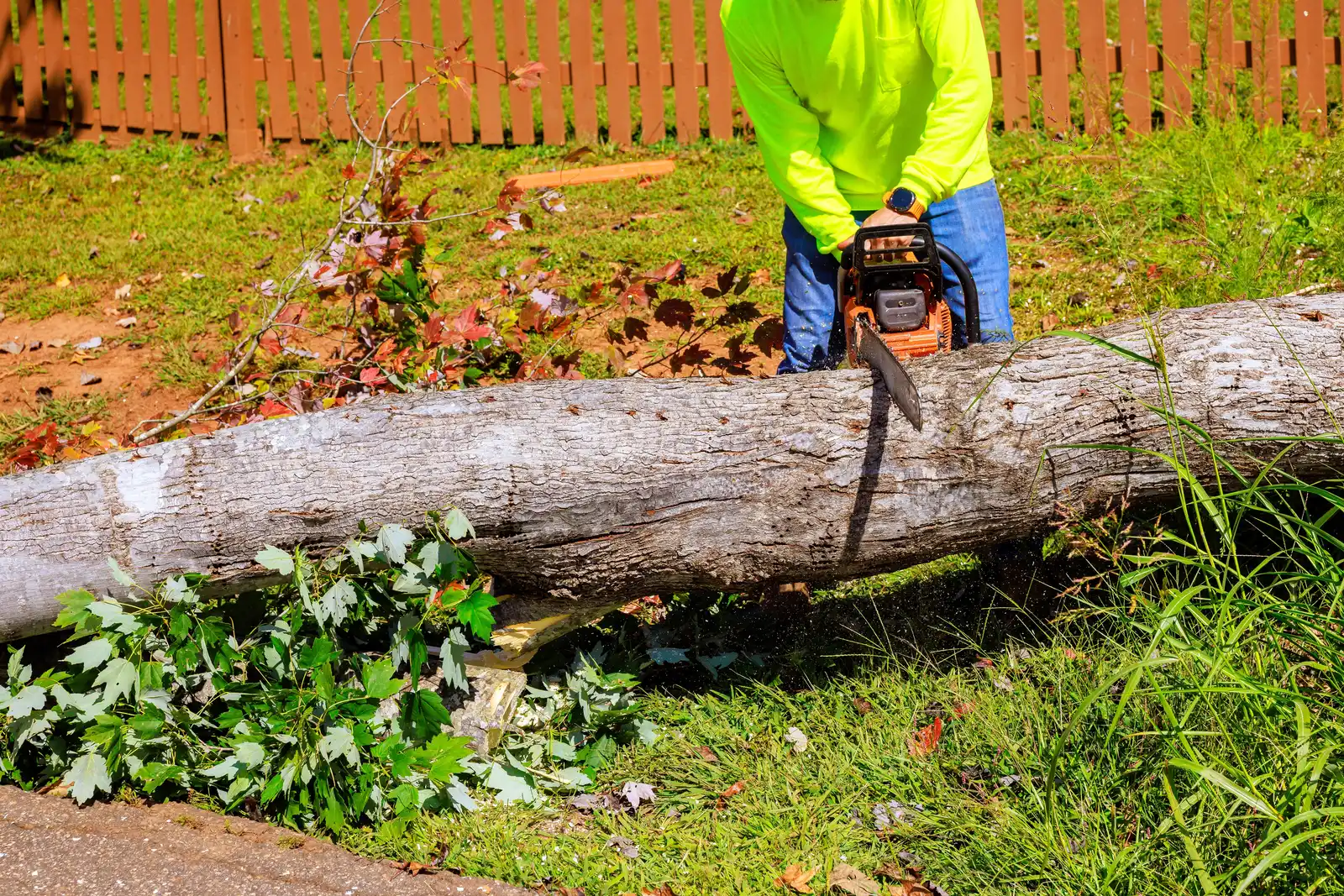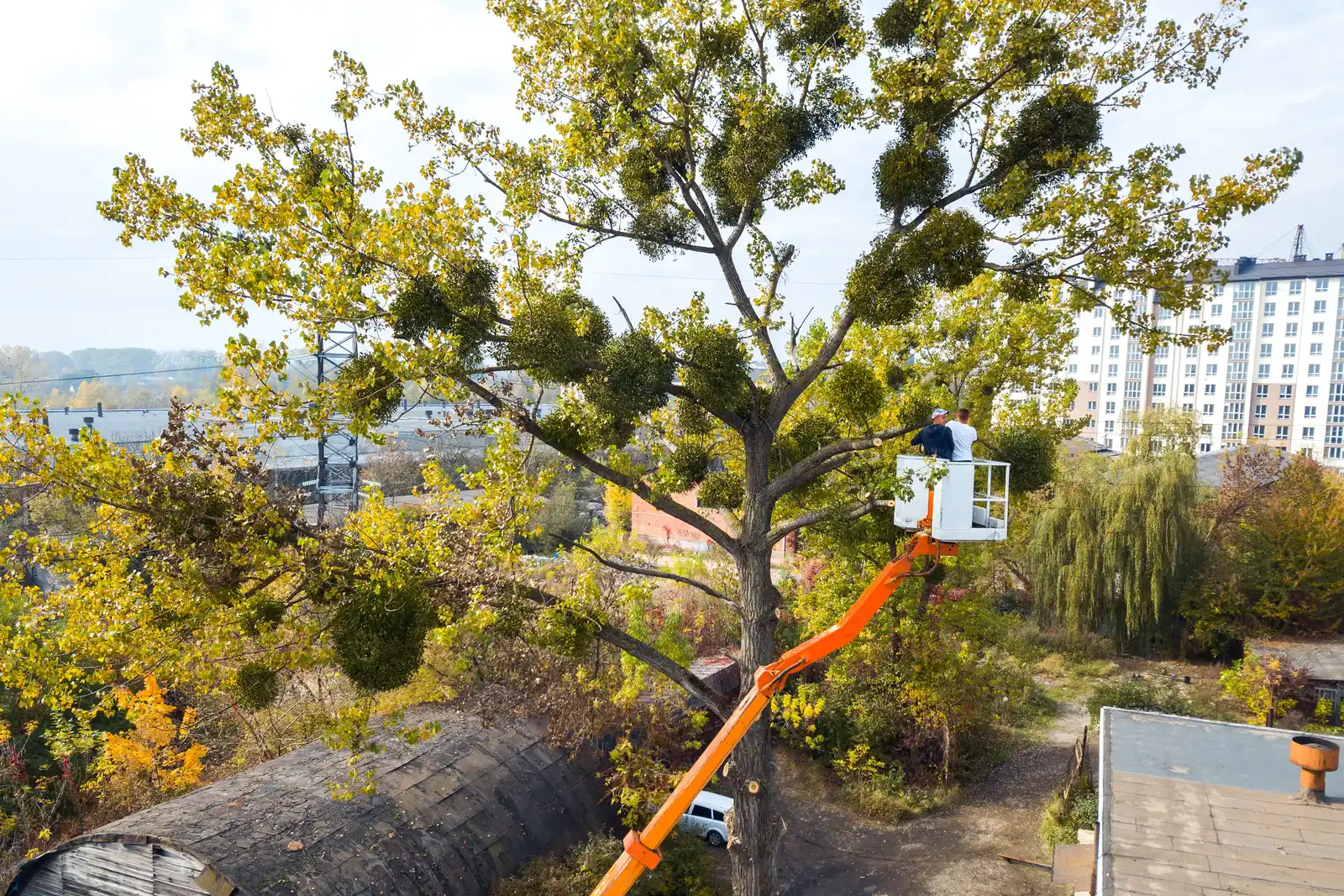
Forestry Mulching Insurance: What Mulcher Operators and Lot Clearing Contractors Need
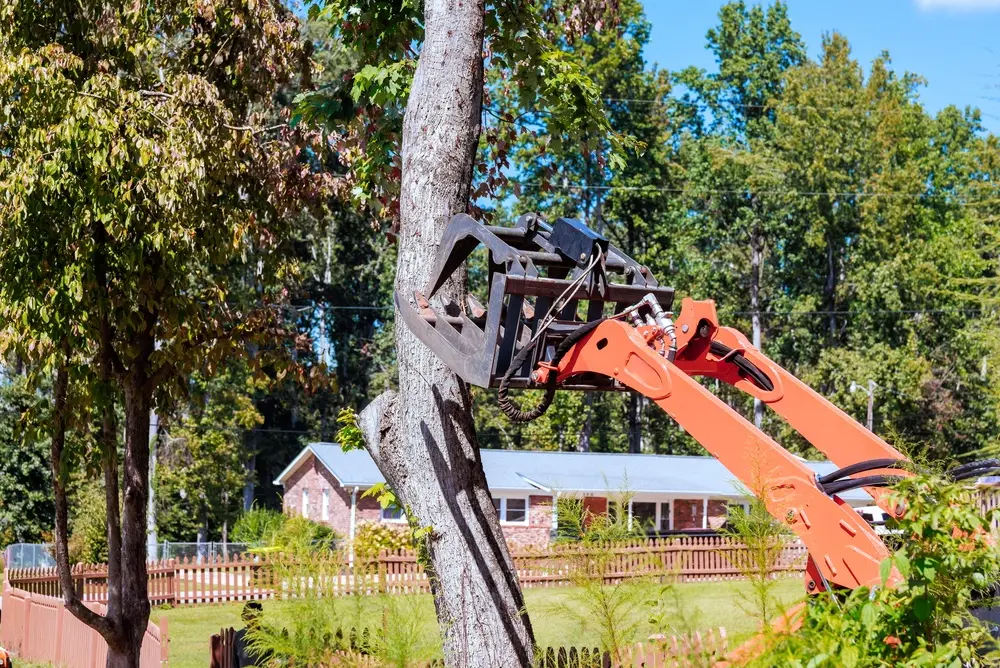
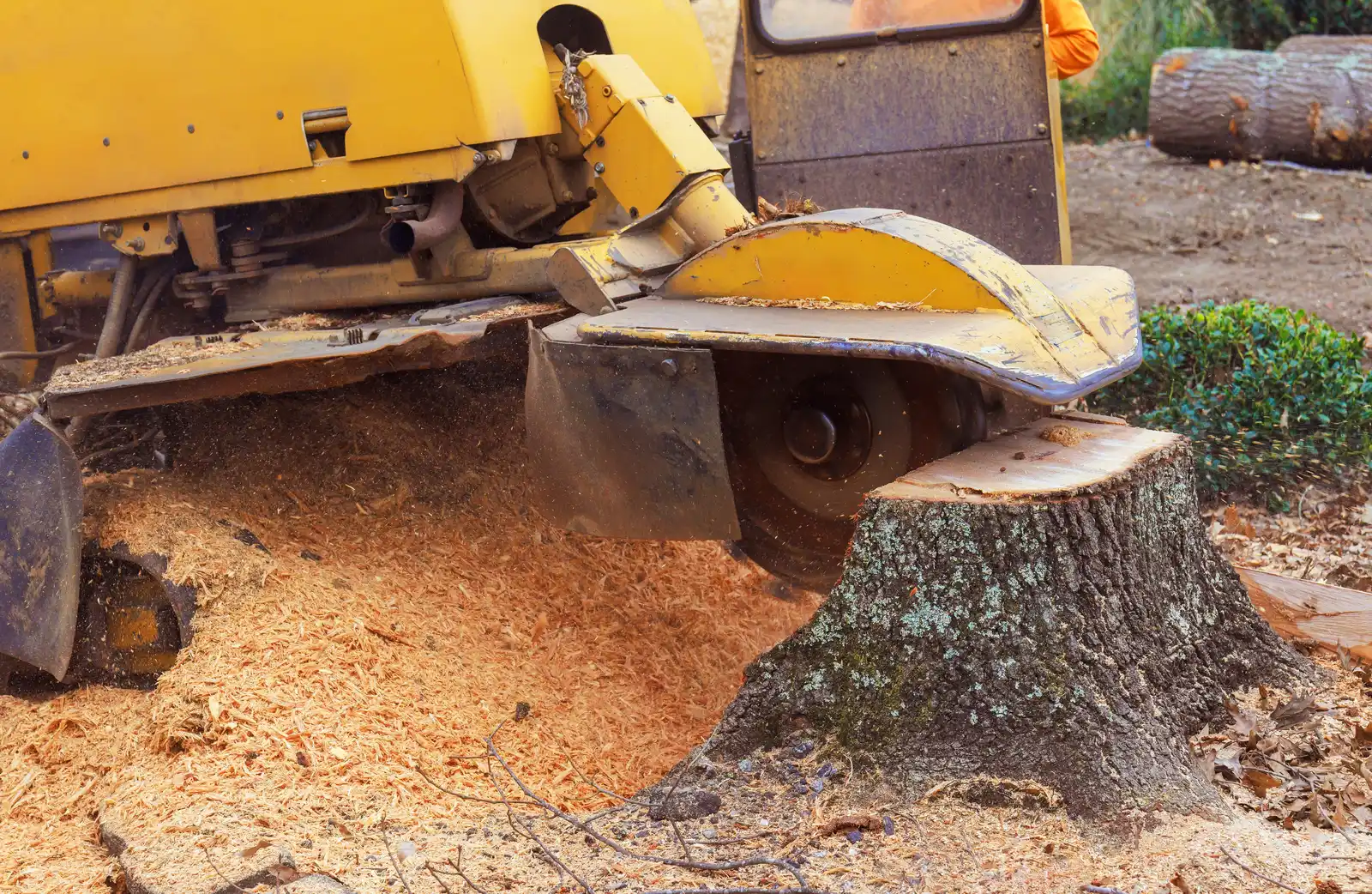
Forestry mulching insurance for mulcher operators and lot clearing crews: thrown debris, fire, boundary mistakes, and coverage for the machine.
Deep dives into the specific insurance coverages that protect tree service contractors — what they cover, what they exclude, and why they matter for your operation.
55 posts
Forestry mulching insurance for mulcher operators and lot clearing crews: thrown debris, fire, boundary mistakes, and coverage for the machine.
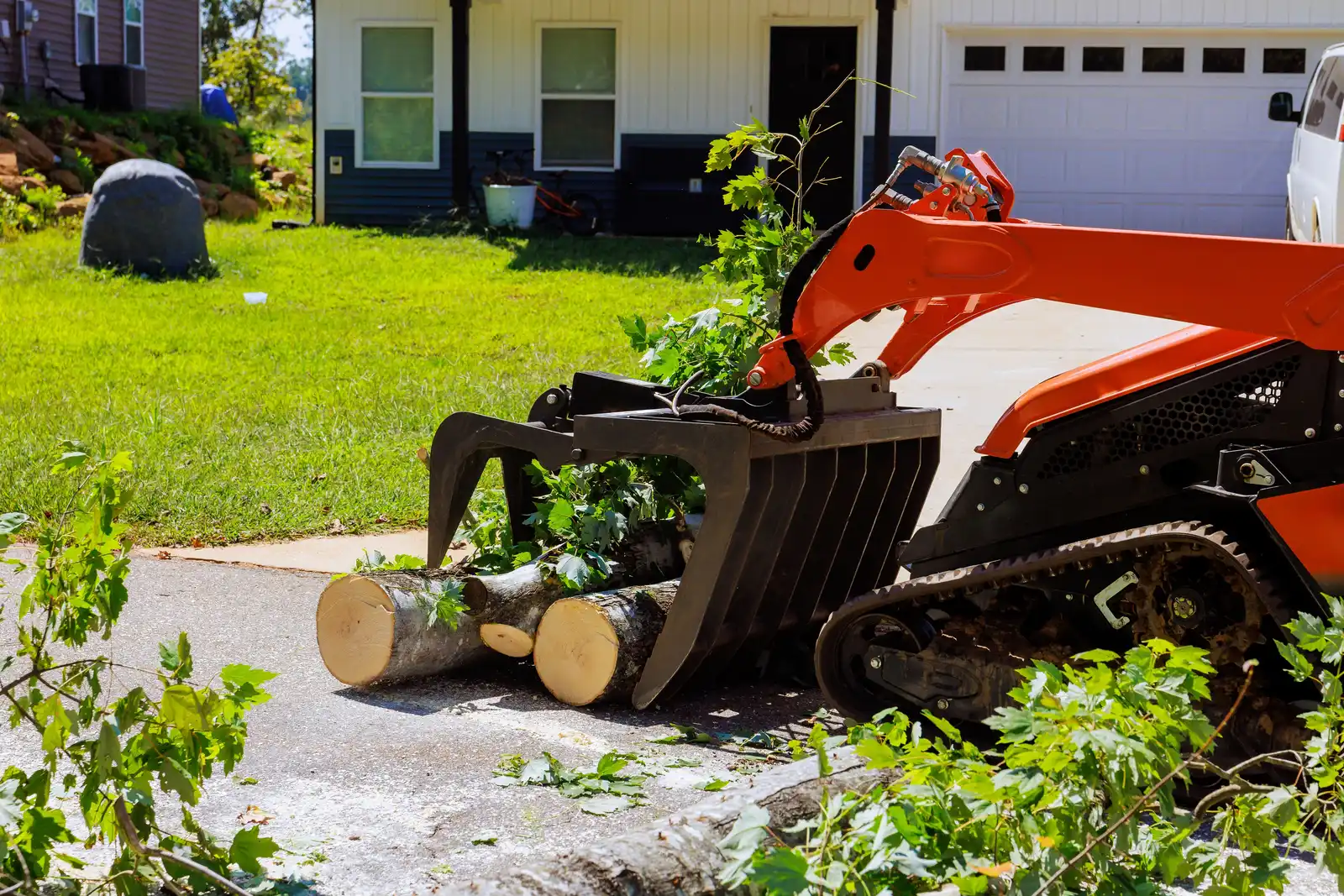
Hiring a licensed and insured tree service in Savannah, GA: how to check insurance, why Savannah’s tree ordinance matters, and questions to ask first.
Who writes insurance for land clearing and grading companies: the specialty markets that take the work, what they ask, and how to present it.
Logging vs tree service insurance: why insurers rate the two differently, how workers’ comp classes work, and when a job crosses over.
Palm tree trimming insurance in Florida: liability for falling fronds and coconuts, workers’ comp for climbers, lifts, and storm season.
Does insurance cover your tree crew on out-of-state storm work? Workers’ comp in other states, auto and liability, and licensing to check.
Is tree service equipment stolen from a job site covered? How inland marine handles theft, the conditions that trip owners up, and what to do next.
Insurance for tree services that work for HOAs and property managers: required limits, additional insured status, waivers, and contracts.
Can a tree service plow snow on the same insurance? Why snow removal usually needs its own coverage, plus plows, salt, and contracts.
Who pays for tree removal after a storm: when homeowners insurance helps, when a neighbor or city pays, and what tree services should tell customers.
Wood chipper insurance: when a towed chipper is covered by commercial auto, when by inland marine, and the gaps that leave it with neither.
How to get workers’ comp for tree trimming employees when insurers say no: specialty markets, your state’s assigned risk plan, and steps that help.
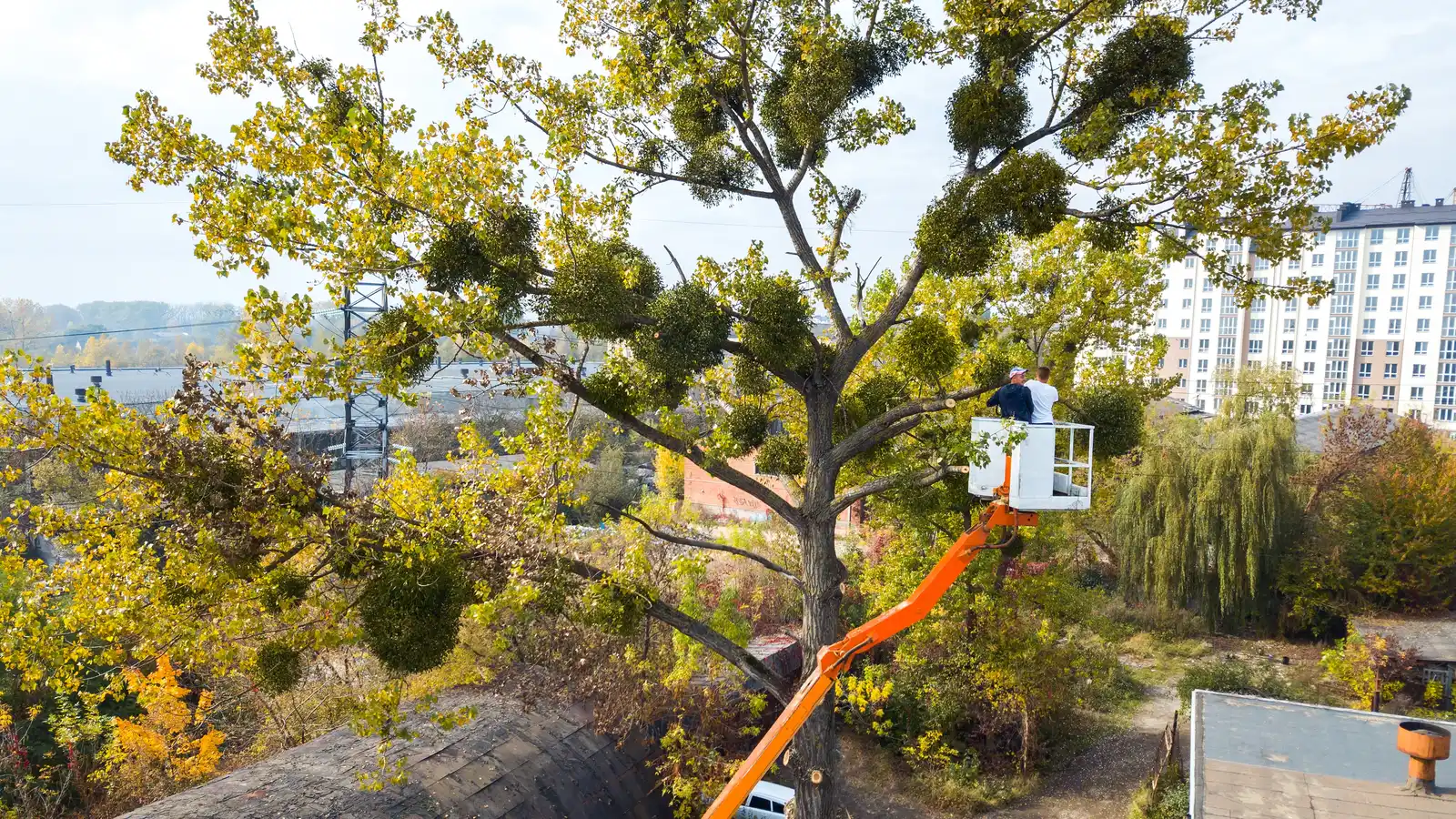
Bucket truck insurance in Florida for tree services: the truck, the boom, the work from the bucket, and how hurricane deductibles apply.
Choosing a tree service in Redding, CA: check the CSLB license, verify insurance with the agent, and ask about fire-damaged trees.
Commercial auto for tree service trucks and trailers in Illinois: scheduling chippers and trailers, trailer contents, and Chicago contracts.
Comparing property insurance quotes for a tree trimming business: match values, valuation, deductibles, and business income before price.
Excess workers’ comp insurance for tree service companies: who needs it, how it works with self-insurance, and how it differs from an umbrella.
Grapple truck insurance for storm debris removal in South Carolina: the truck and loader, curbside damage, surge crews, and contracts.
Hired and non-owned auto for Texas dump truck and chip truck fleets: which trucks go on the schedule, what HNOA covers around them, and hired haulers.
Hired and non-owned auto insurance for tree service companies: what it covers when crews drive rented trucks or their own pickups, and its limits.
Tree service insurance in Pennsylvania (GL, auto, workers’ comp) usually costs $2,500 a year for 1–2 employees to over $6,000 for a larger business.
How much insurance a tree service should have: the core policies, how to set liability limits from contracts and jobs, and when to add an umbrella.
Tree service insurance in Georgia (GL, auto, workers’ comp) usually runs from $2,500 a year for 1–2 employees to over $6,000 for a larger business.
How to find tree service companies that are insured and bonded: the proof to ask for, how to check it with the source, and red flags.
Motor truck cargo insurance for tree service companies: why most crews don’t need it, when hauling logs, mulch, or firewood for others changes that.
Tree service insurance that covers wildfire liability in California: fire exclusions to check, umbrella limits, and burn-area work.
Tree service insurance for utility line clearance and right-of-way crews: the coverage, limits, contract terms, and safety records utilities expect.
Workers’ comp for debris removal companies in North Carolina: when it is required, how debris work is rated, and storm surge payroll.
Consulting arborist insurance starts with professional liability for your advice and reports, then general liability and auto. See how each one fits.
Tree removal insurance claims: what to do at the site, which policy responds, what the adjuster needs, and what a homeowner should expect.
What insurance a tree service needs for a crane: liability that allows crane work, coverage for an owned or rented crane, and proof from a hired one.
The best tree service insurance companies are the ones writing your mix of work now. Compare carriers, agencies, and programs on criteria that matter.
Bucket truck insurance can range from $1,500 to $3,500 or more a year by state, truck age, and use. See coverage, what carriers ask, and requirements.
Cheap tree service insurance comes from accurate classification, loss control, sensible deductibles, and shopping, not from dropping coverage. Here is how.
Arborist insurance (GL, auto, workers’ comp) usually runs $2,500 a year for 1–2 employees to over $6,000 for larger firms. GL-only costs are lower.
Tree service insurance quotes come faster and compare cleaner with the right records. See what agents need and how to compare quotes like for like.
Tree service insurance requirements: proof of liability and workers’ comp on a certificate, plus contract limits and endorsements. See who asks and why.
Tree trimming insurance (GL, auto, workers’ comp) usually runs $2,500 a year for 1–2 employees to over $6,000 for larger firms. See the drivers.
Umbrella insurance for tree trimming companies: who needs it, how to choose limits from contracts, assets, and aerial exposure, and what it sits over.
Workers comp for tree service California: the DIR coverage requirement, WCIRB class 0106 and 0042, how payroll sets premium, and CSLB certificate rules.
How tree service insurance programs work: how carriers are chosen for tree work, what the supplemental application asks, and how to prepare.
Tree service insurance usually runs $2,500 to over $6,000 a year nationally. California costs more: workers’ comp, GL, auto, and the rules behind it.
Tree service insurance usually runs $2,500 to over $6,000 a year nationally. Florida adds named-storm deductibles and post-hurricane payroll audits.
Tree service insurance usually runs $2,500 to over $6,000 a year nationally. New York costs more: the state fund, NYC fleet rules, and NYC Parks work.
Tree service insurance usually runs $2,500 to over $6,000 a year nationally. In Ohio, workers’ comp comes from a monopolistic state fund. See costs.
Tree service insurance usually runs $2,500 to over $6,000 a year nationally. Texas adds the non-subscriber choice and storm exposure. See costs.
Commercial auto insurance for tree service contractors covers trucks, chippers, stump grinders, and trailers. Here’s what’s required, typical costs, and the coverage gaps that cause uncovered claims.
Tree service contractors need workers’ compensation insurance in nearly every state once they hire their first W-2 employee. Here’s the state-by-state requirements, costs, and why tree service rates are among the highest of any trade.
Tree service insurance (GL, auto, workers’ comp) usually runs $2,500 a year for 1–2 employees to over $6,000 for a larger crew. See what drives cost.
Inland marine insurance covers your tree service tools and equipment off-site, in transit, and on the job — chainsaws, climbing gear, rigging, stump grinders. Here’s what it covers, what it costs, and why your business policy alone isn’t enough.
Pesticide and pollution insurance covers tree service contractors performing herbicide applications, plant health care, and operations with pollution exposure. Here’s why standard general liability excludes these claims and what coverage you need.
General liability insurance for tree service contractors covers third-party bodily injury, property damage, and completed operations claims. Here’s exactly what’s covered, what’s excluded, and the limits you need.
A tree service certificate of insurance (COI) proves your coverage to clients. Here’s exactly what contracts require, the common audit gaps, and how to deliver a clean COI fast.
Workers’ comp class code 0106 covers tree pruning, trimming, and removal. See how it affects your rate, audits, and coverage.
Many tree service owners discover too late that their general landscaping policy excludes tree removal and aerial work. Here’s how to know if you’re actually covered.