
A tree service insurance program is the set of policies a tree care business carries, placed together with the carriers that actually write tree work and priced from one description of how the business operates. The supplemental application is the document that description lives in, and it largely decides which carriers will quote you and how they rate the work.
Most owners meet this document for the first time at renewal or when a carrier asks for “more information” before offering terms. Knowing what it asks, and why, makes the whole process faster and less surprising. This guide explains how tree service insurance programs are put together, how carriers are selected, what a supplemental application typically covers, and how to prepare. If you already know what you need, you can request a quote and we will send you the questions that apply to your operation.
What a Tree Service Insurance Program Is
A program is not a single policy. It is a coordinated set of coverages that together answer the main ways a tree care business gets hurt financially. For most operations that means:
- General liability for injury to other people and damage to their property.
- Workers’ compensation for injuries to your own crew, which is usually the most expensive line in the trade.
- Commercial auto for trucks, chip trucks, trailers, and aerial lift vehicles on the road.
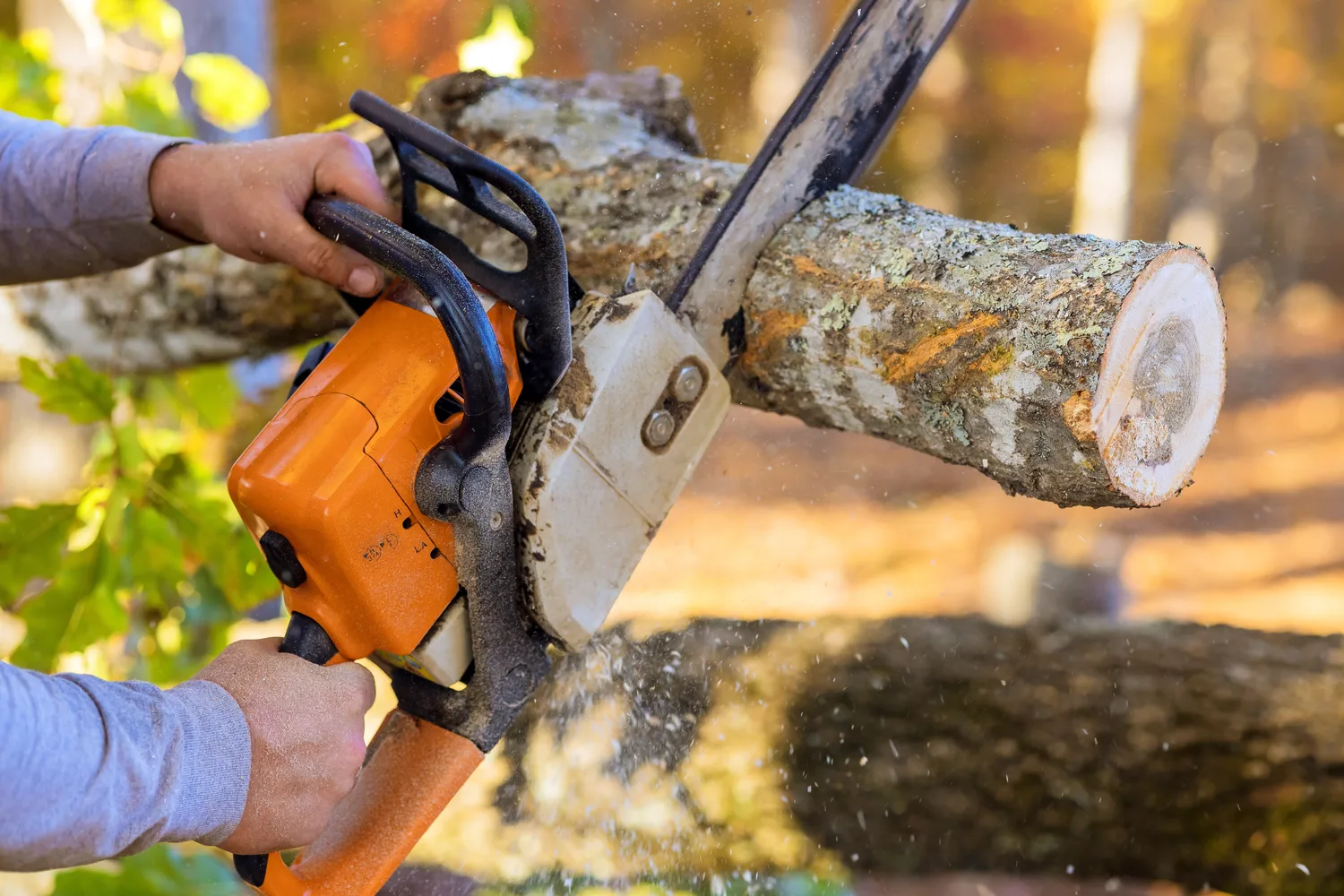
- Inland marine equipment coverage for chippers, grinders, saws, rigging, and other tools that move between job sites.
- Umbrella and excess liability for the larger claim that exceeds the underlying limits.
Putting these lines together as a program matters for a practical reason. Each line is underwritten on the same facts: what work you do, how high your crews work, what equipment you run, and how your losses have looked. When those facts are described once and consistently, the lines fit together. When they are described differently to different carriers, gaps and conflicts appear, and they tend to surface at the worst time, which is a claim.
The cost side of the same picture is covered in our tree service insurance cost guide. This page is about the mechanics behind it: who writes the coverage and what they ask before they do.
Why Tree Care Is Placed as a Specialty Program
Tree work sits in a corner of the commercial insurance market that many general carriers handle cautiously. Crews work at height, felled wood comes down near homes and power lines, and a single loss can be severe. Because of that, some carriers decline tree work, some restrict it to ground-level operations, and some write it only for contractors who meet particular standards.
That is why a tree service is usually better served by a program built for the trade than by a package borrowed from a general contractor or landscaping policy. A landscaping policy that mentions tree work in passing may exclude the exposures that actually generate claims, a gap we cover in does my landscaping policy cover tree work.
The services you perform shape which programs fit. A business that mainly does tree trimming is underwritten differently from one that does tree removal, and a business that does both is generally rated on its higher-hazard work. The supplemental application exists to pin that down.
How Carriers Are Selected for a Tree Service
Searching for tree trimming insurance carriers usually turns up a list of company names. A list is the wrong tool, because the useful question is not who sells commercial insurance but who is currently willing to write your particular operation, in your state, at a price that makes sense.
Carriers differ in appetite. Some want small, established operations with clean loss histories. Some are comfortable with removals and crane work. Some focus on ground-level and maintenance pruning. Appetite also changes over time as carriers adjust to their own loss experience, so a market that quoted tree work last year may be quiet this year, and the reverse.
Two broad channels matter here. Admitted carriers file their forms and rates with the state and are the usual starting point. Surplus lines, often called E&S, markets can take risks that admitted carriers decline, usually with more flexible forms and less rate regulation. Which channel fits depends on the operation, and a clean small business can often be placed in the admitted market while a business with recent losses or a higher-hazard mix may need the other.
TreeGuard is an independent agency, which means one submission can go to several markets rather than one. Our carriers page lists the markets we represent. We do not publish a ranking of carriers, because the right match depends on the details in the application.
The steps that follow from your answers are straightforward. The agent reviews the application, identifies the markets whose appetite fits, submits to them, and compares the results on coverage terms as well as price. A quote that is cheaper because it excludes the work you actually do is not a better quote.
What a Supplemental Application Typically Asks
Every carrier has its own form, but the questions fall into a handful of categories. Expect each of the following.
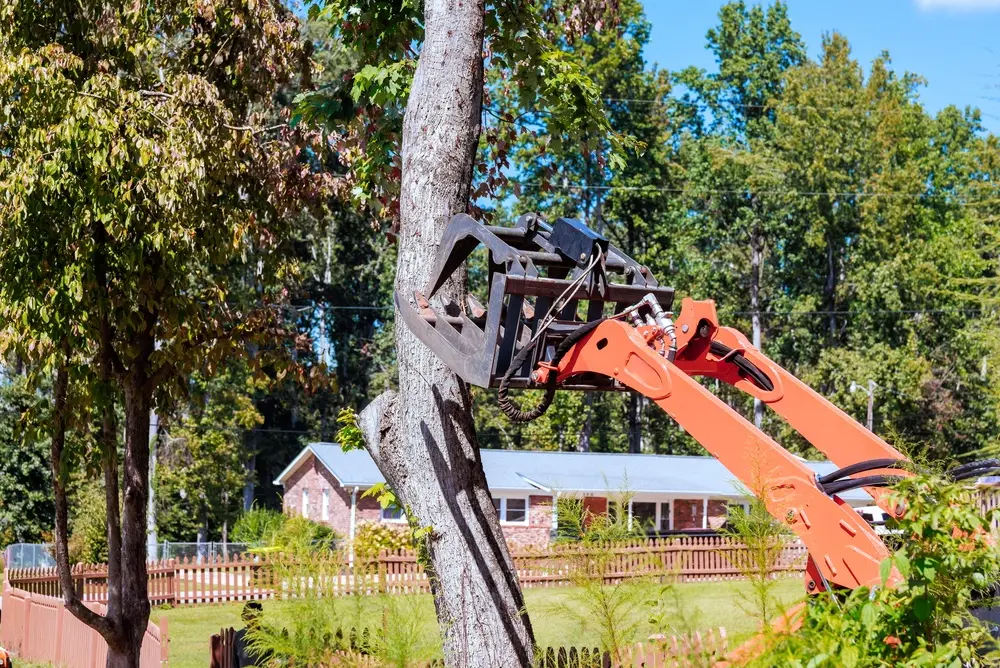
Operations mix. What services you perform and in what proportion: trimming and pruning, removals, stump grinding, plant health care, storm and emergency work, land clearing, crane-assisted work. Carriers want to know whether removals are routine or occasional, and whether you work for homeowners, commercial properties, municipalities, or utilities.
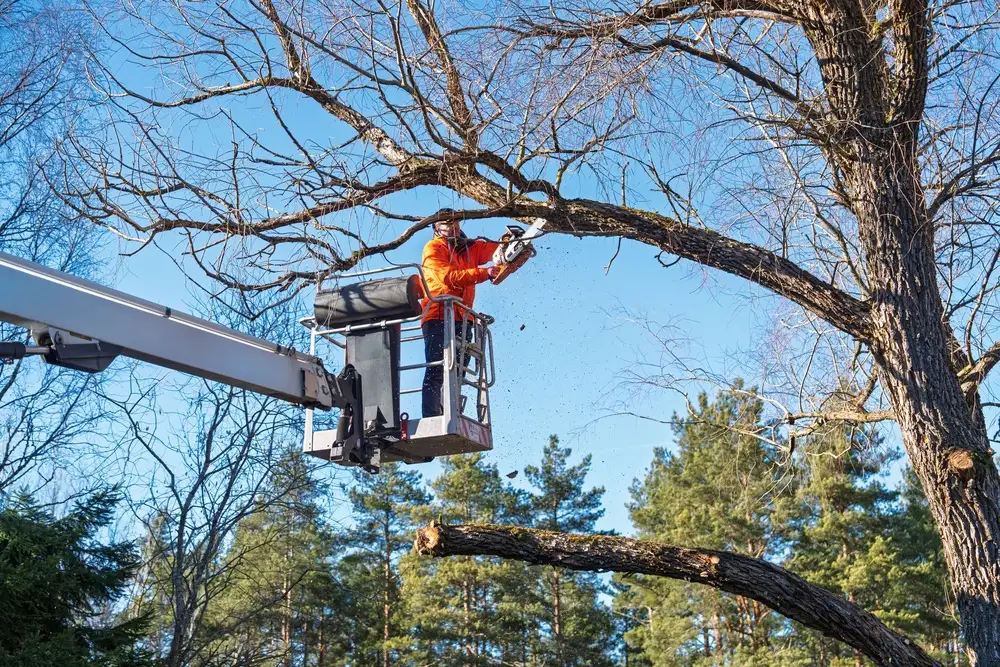
Height and climbing work. How high crews typically work, how often they climb versus work from a lift, and whether rope-and-saddle work is common. Height is one of the clearest drivers of how a carrier views the risk.
Aerial equipment. Whether you own or rent bucket trucks and aerial lifts, who is trained to operate them, and what maintenance and inspection routines are in place. Our bucket truck insurance page covers that equipment in more detail.
Subcontractor use. Whether you hire subcontractors, what work they do, whether they carry their own coverage, and whether you collect certificates of insurance from them. Uninsured or underinsured subcontractors are a common reason applications get declined or repriced.
Safety practices. Whether you have a written safety program, how you train and supervise crews, whether you follow recognized industry practices, and how you handle work near power lines. The Tree Care Industry Association publishes safety resources and standards for the trade, and the International Society of Arboriculture is a common source of credentials. See the TCIA safety resources and the ISA for the industry side of this.
Claims history. Prior losses, usually presented as loss runs from your previous carriers, along with an explanation of what happened and what changed afterward. Frequency tends to draw attention first, and a clear account of corrective steps helps.
Alongside those categories, expect the ordinary basics: ownership, payroll by role, revenue, the states you work in, and the coverages and limits you are asking for.
How to Prepare Before You Apply
Most delays in placing a tree service program come from missing information, not from the market. A little preparation makes the application quicker to complete and the quotes quicker to arrive.
- Gather your loss runs from current and prior carriers so the claims history is documented rather than recalled.
- Pull payroll records by job role, because workers’ compensation is rated on payroll in each classification. Our workers’ comp class code guide for tree services explains how the classification works.
- List your equipment and vehicles with year, make, and use, including aerial lifts, chippers, grinders, and trailers.
- Write down your service mix honestly, including work you do only a few times a year.
- Document your subcontractors and keep their certificates of insurance current. Our certificate of insurance guide walks through the paperwork.
- Collect your safety materials, such as a written safety program, training records, and equipment inspection logs.
- Check your contract requirements, since commercial and municipal customers often dictate limits and endorsements. If a customer or licensing authority also requires a bond, remember that it is a separate instrument from insurance, as explained in our guide on whether you need a bond for a tree service.
How Your Answers Affect Eligibility and Price
The application is where the same facts are priced. A heavier removal mix, more work at height, a larger aerial fleet, subcontracted work without documentation, or recent claims all push a carrier toward higher rates or toward declining. A narrower service mix, documented safety practices, a clean or well-explained loss history, and organized records push the other way.
None of this is a trick, and misdescribing the work is not a savings strategy. An operation that performs removals but describes itself as trimming-only may get a lower quote, but the difference can surface at premium audit or at claim time. Accuracy protects the coverage you are paying for.
The practical way to use this is to treat each answer as a lever you can understand. If the application shows that subcontractor documentation is a weak point, fix it before you submit. If loss runs show a pattern, prepare the explanation. The more clearly the application presents a well-run operation, the more markets will quote it.
Illustrative Example: Consider a tree service that had grown from trimming into occasional removals renewed using last year’s description of the business, which still listed trimming only. When the carrier reviewed the supplemental application, the removal work and a new bucket truck did not match the policy description, and the renewal stalled while the file was corrected. Updating the description before submission would have kept the quote moving and the coverage aligned with the work.
Mistakes That Slow a Submission
A few patterns come up repeatedly when tree service applications run into trouble:
- Describing the business as it was, not as it is. Operations drift. New services and equipment need to appear on the application.
- Leaving subcontracted work off the form. Carriers ask because it matters, and an omission can create problems later.
- Submitting inconsistent information to different markets. Different descriptions of the same business lead to quotes that cannot be compared.
- Treating the quote request as the whole application. The short form starts the process, and the supplemental details are what most carriers underwrite from.
- Choosing on price alone. Compare exclusions, limits, and how each program treats removals, crane work, and aerial equipment.
Where to Go From Here
If you are comparing programs, start with a clear description of your operation and the records listed above. Review the carriers page to see the markets we represent, read the cost guide to understand what drives pricing, and when you are ready, start a quote. We will tell you which supplemental questions apply, gather what we need, and take the submission to the markets that fit.
Frequently Asked Questions
What is a tree service insurance program?
A tree service insurance program is the full set of policies a tree care business carries, placed together and priced around one description of its operations. It usually includes general liability, workers’ compensation, commercial auto, equipment coverage, and often umbrella limits. Placing them as a program lets one submission, built on one application, go to the carriers that actually write tree work.
What is a tree trimming insurance supplemental application?
It is the tree-specific questionnaire carriers ask for on top of a standard commercial insurance application. It covers the mix of work you perform, how high crews climb, what aerial equipment you run, whether you use subcontractors, your safety practices, and your claims history. Underwriters use the answers to decide whether to quote you and how to rate the operation.
Who are the tree trimming insurance carriers?
Tree trimming insurance carriers are the insurance companies willing to write aerial tree work. Which of them will quote you depends on your operations, your loss history, and the state you work in, so a fixed list is less useful than an agent who knows each carrier’s current appetite. The carriers page on this site lists the markets TreeGuard represents.
Do subcontractors change my insurance program?
Yes. Carriers want to know who performs the work, because uninsured subcontractors can shift their exposure back onto your policies. Expect questions about whether subcontractors carry their own coverage, whether you collect certificates of insurance from them, and what work they perform. Accurate answers here affect both eligibility and how workers’ compensation and liability are rated.
What happens if I leave something off the application?
Incomplete or inaccurate answers can slow the quote, change the price, or cause problems later, such as a premium adjustment at audit or a disputed claim. Describe the work you actually perform, including removals, crane use, and subcontracted work, even when it is occasional. A complete application is also the fastest way to get carriers to quote.
Is the supplemental application the same as a quote request?
No. A quote request gives an agent the basics about your business so the search can start. The supplemental application goes deeper into how you operate and is what most carriers use to underwrite tree work. Many agencies collect the basics first and the supplemental details second, so having your records ready shortens the process.
The Bottom Line on Tree Service Insurance Programs
A tree service insurance program works best when one accurate description of your operation goes to the carriers whose appetite fits it. The supplemental application is that description, so prepare it carefully, keep it current, and use an agent who can take it to the right markets.

More from Coverage Explained
Ready to get properly covered?
Tell us about your tree care operation and we'll compare options across our carrier network. Quote response within 1–2 hours during business hours.
Independent agency · 16+ A-rated carriers · Licensed in 48 states