
Wood chipper insurance depends on which policy lists the chipper: liability while a chipper is towed usually follows the truck’s commercial auto policy, but physical damage to the chipper itself is covered only if it is listed on the auto policy with physical damage coverage or scheduled on an inland marine policy. Owners who do neither can find their chipper covered by nothing at all after a theft, rollover, or fire.
The chipper is one of the most valuable and most used pieces of equipment a tree service owns. It spends part of the day as a trailer on the road and part of the day as a machine on the job, and that dual life is exactly why the insurance question confuses so many owners. This guide sorts it out.
Two Lives, Two Policies
On the road. When the chipper is hitched to a truck, it acts as a trailer. Liability for an accident it causes generally follows the towing vehicle’s commercial auto policy. Damage to the chipper itself, from a collision or a jackknife, is covered only if the chipper is listed on the auto policy with physical damage coverage.
On the job. When the chipper is unhitched and running, it acts as equipment. Some auto policies do not cover damage that happens while a unit is operating rather than being towed. Inland marine coverage is usually the policy that responds to damage on the job, theft from a job site, and fire.
Common Gaps
- The chipper was never listed. It came with a used truck, or was bought mid-year, and nobody told the agent.
- Auto lists it, inland marine does not. The chipper is covered on the road but not while running.
- Inland marine lists it, auto does not. Damage in a highway accident may be disputed.
- Out-of-date value. A chipper insured for an old value pays an old value.
- Rented chippers. A rental agreement makes you responsible, but your policies may not cover rented equipment without an endorsement.
Ask your agent to show you, in writing, which policy covers the chipper on the road, on the job, and parked overnight.
Bystanders and Thrown Debris
Chippers throw chips and debris. A chip that cracks a windshield or hits a passerby is a general liability claim. Point the discharge chute away from roads, cars, and houses, and keep bystanders well back.
Chipper Injuries
Chipper injuries to employees are among the most serious in tree work. The Occupational Safety and Health Administration’s chipper guidance and its tree care hazards and solutions page describe the main dangers and controls. Practices that matter:
- Feed material butt-first from the side, never standing directly in front of the infeed.
- Keep loose clothing, gloves with cuffs, and rope ends away from the infeed.
- Never reach into the infeed or use hands or feet to push material.
- Know where the control bar is and test it before work.
- Keep the chipper hitched or chocked so it cannot roll.
Employee injuries are covered by workers’ compensation. Insurers ask about chipper training and look closely at chipper injuries in loss history.
Theft and Parking
Chippers are easy to steal: hitch up and drive away. Hitch locks, wheel locks, GPS trackers, and parking in a lit, fenced yard all help. Make sure the theft coverage on whichever policy lists the chipper fits how and where you park it. Our post on tree service equipment stolen from a job site covers theft claims in detail.
Self-Propelled and Tracked Chippers
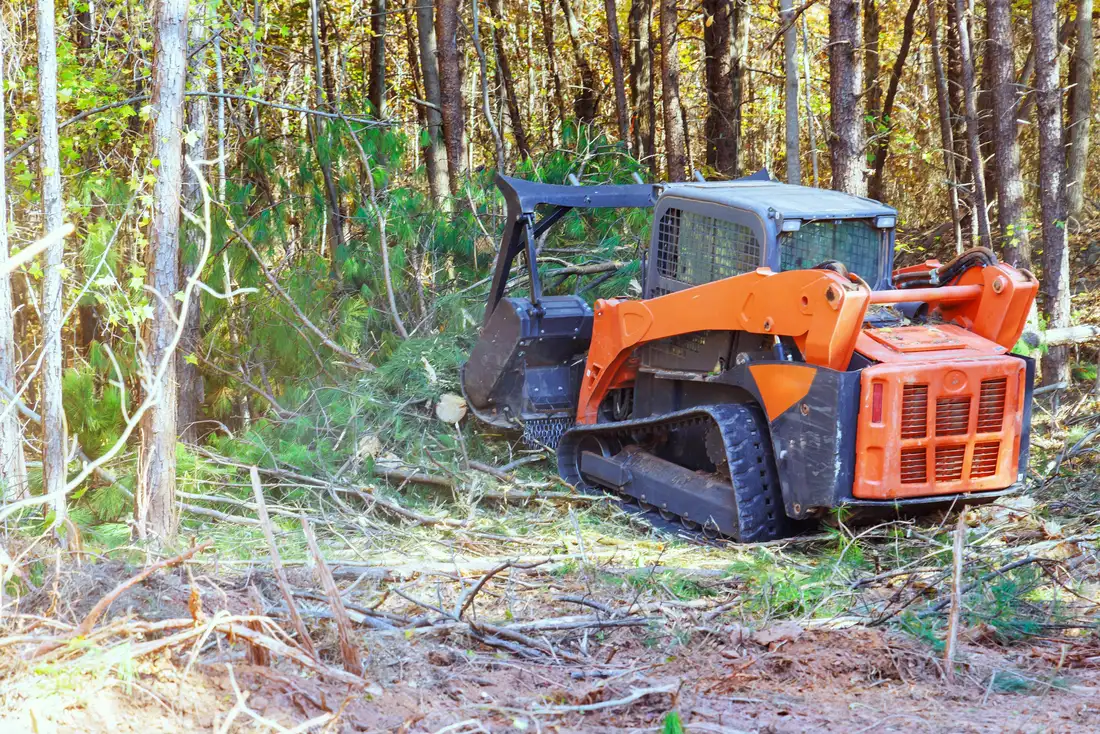
Tracked and self-propelled chippers that are not towed on public roads are usually insured as equipment on inland marine. If they are hauled on a trailer, the trailer goes on auto and the chipper stays on inland marine. Confirm coverage while the machine is being loaded and unloaded, since that is when many rollovers happen.
Valuing the Chipper
Chippers hold their value well and cost a lot to replace. When you list a chipper on any policy, use a value that reflects what it would cost to replace it with a comparable machine, and update it when you buy, sell, or rebuild. Ask whether the policy pays actual cash value or replacement cost, and how it handles a chipper that is financed or leased. If a lender holds a lien, it will usually want to be listed on the policy.
Chippers on Rented and Borrowed Trucks
Tree services sometimes tow a chipper behind a rented truck, a borrowed truck, or an employee’s pickup. Liability while towing usually follows the towing vehicle’s policy, which may not be yours. Ask your agent about hired and non-owned auto coverage for these situations, and make sure the chipper itself is still covered when it is behind someone else’s truck.
Our Service Pages
Our tree removal insurance page covers coverage for crews whose days revolve around the chipper, and our inland marine guide for tree service equipment explains scheduling in detail.
Questions to Ask Your Agent
- Which policy covers my chipper on the road, on the job, and parked overnight?
- Is the chipper listed at a current value?
- Does the auto policy cover physical damage while the chipper is operating?
- Are rented chippers covered, and at what limit?
- Does theft coverage have conditions for chippers left at job sites?
Illustrative Example
This is a hypothetical, labeled example, not a real claim. A tree service tows a chipper that is listed on its auto policy but not on its inland marine policy. On a job, the chipper rolls off a slope when a wheel chock slips, and it is badly damaged. The auto insurer reviews whether the chipper was being operated as equipment rather than towed. The owner and agent then schedule the chipper on the inland marine policy so on-the-job damage is covered going forward.
The example shows the gap between the road and the job. The chipper was insured, but only in one of its two lives. Owners often assume that listing a chipper anywhere covers it everywhere, and the first serious on-the-job damage is when they find out otherwise. Reviewing where each towed unit is covered, at least once a year, closes that gap before it costs anything.
Frequently Asked Questions
Is a towed wood chipper covered by my commercial auto policy?
Liability for a chipper while it is being towed usually follows the towing vehicle’s auto policy. Physical damage to the chipper itself is covered only if the chipper is listed on the auto policy with physical damage coverage, or scheduled on an inland marine policy.
Should my chipper be on auto or inland marine?
It depends on your policies. Some owners list the chipper on auto as a trailer, which can cover it on the road, and schedule it on inland marine for damage while it operates. The goal is that it is covered both in transit and on the job, without a gap or a costly overlap.
What happens if a chipper is damaged while chipping?
Auto physical damage coverage may not apply while the chipper is operating as equipment rather than being towed. Inland marine coverage is usually the policy that responds to damage on the job, if the chipper is scheduled on it.
Who covers an employee injured by a chipper?
Workers’ compensation covers employee injuries, including chipper injuries. Injuries to bystanders, such as a homeowner who gets too close, fall under general liability.
What safety practices matter most for chippers?
Training on feeding the chipper from the side, keeping loose clothing and gloves away from the infeed, never reaching into the infeed, using the control bar, and keeping bystanders clear. OSHA’s chipper guidance covers these hazards.
The Bottom Line on Wood Chipper Insurance
A chipper needs coverage as a trailer and as a machine. List it on auto, schedule it on inland marine, keep its value current, and train every crew member on chipper safety. Request a quote and we will check where your chipper is covered.

More from Coverage Explained



Ready to get properly covered?
Tell us about your tree care operation and we'll compare options across our carrier network. Quote response within 1–2 hours during business hours.
Independent agency · 16+ A-rated carriers · Licensed in 48 states