
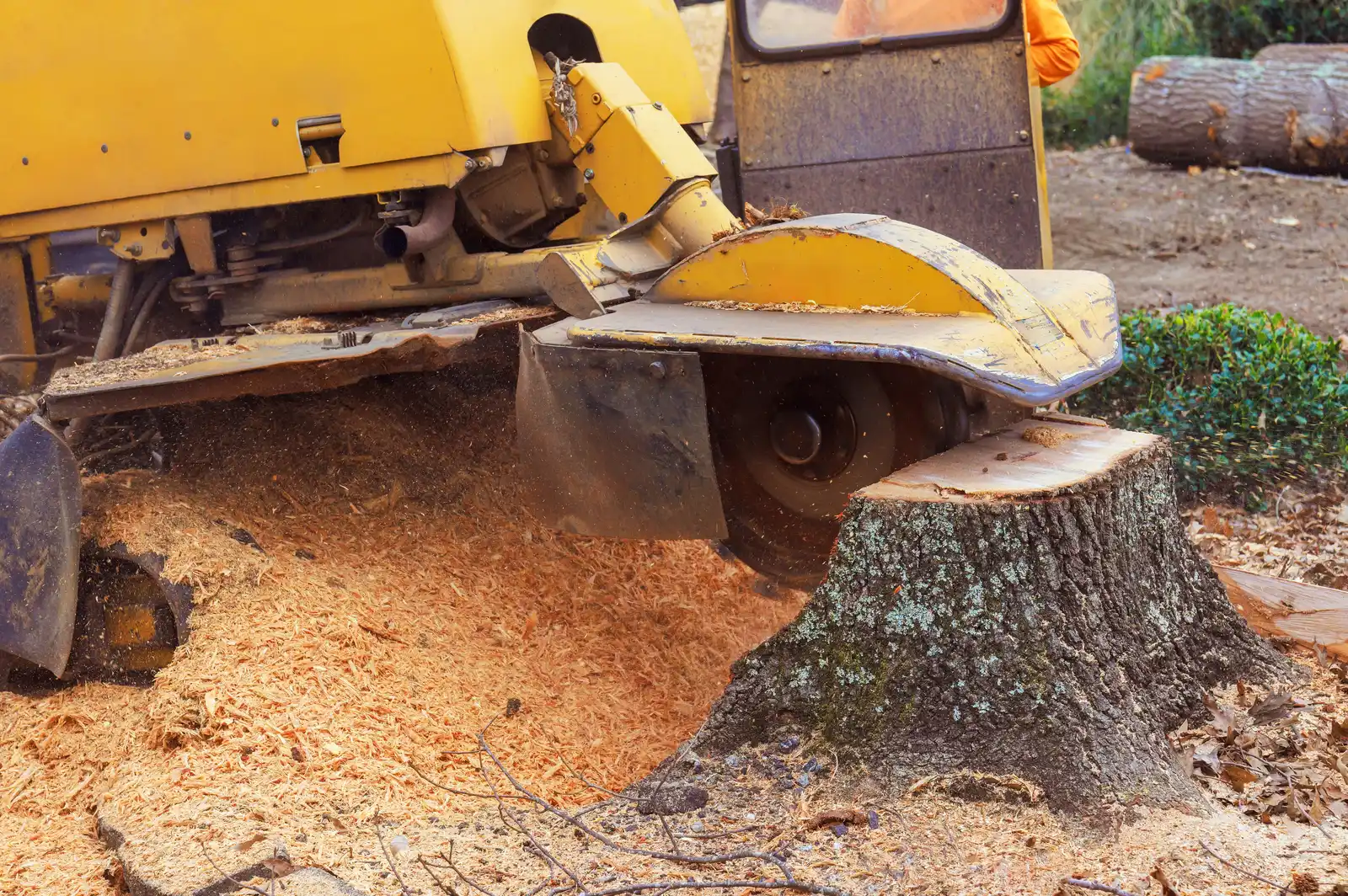
Tree trimming and pruning generates more total operations hours than removal — but the claim profile is meaningfully different. Trimming claims are typically more frequent but lower severity than removal claims, with a heavier component of property damage from falling debris and a unique professional liability exposure: claims that improper pruning damaged or killed a tree.
For tree service contractors whose primary work is trimming, pruning, deadwooding, and crown cleaning, the right insurance program looks different than a removal-heavy operation. This page covers what trimming and pruning insurance includes, what it costs, what coverage gaps to watch for, and what makes pruning operations distinct from removal under most carrier underwriting.
What Tree Trimming Insurance Costs
Trimming and pruning operations typically need the same core coverage program as removal operations, but the proportions shift:
- General Liability Insurance: $1,200–$3,500 per year for $1M per occurrence / $2M aggregate. Slightly lower than removal-heavy operations because the catastrophic-claim severity is lower.
- Workers’ Compensation Insurance: $7–$13 per $100 of payroll under NCCI class code 0106. Similar to removal because climbing and aerial work expose workers to the same fall risk.
- Professional Liability / Errors & Omissions: $800–$1,500 per year. This coverage is more important for trimming than for removal. Trimming-specific claims often allege improper pruning that damaged or killed trees — a professional judgment claim that GL doesn’t cover.
- Commercial Auto Insurance: $1,900–$3,200 per truck per year.
- Inland Marine (Equipment) Insurance: $400–$1,200 per year for typical equipment.
- Pesticide & Pollution Liability: $400–$900 per year if operations include plant health care work alongside trimming.
- Umbrella / Excess Liability: $500–$1,500 per year for $1M of additional coverage.
For most small-to-mid trimming operations, total program cost runs $15,000–$35,000 annually.
What Makes Tree Trimming Insurance Different
A pruning-focused operation has a different risk profile than a removal-focused operation, and the insurance program should reflect that:
1. Higher Claim Frequency, Lower Claim Severity
Trimming operations generate more claims but smaller ones. The typical trimming claim is property damage from a falling branch — $1,500–$15,000 — rather than the catastrophic structural damage that drives major removal claims. Insurers price for frequency, so a clean three-year claims history makes a substantial difference for trimming operations.
2. The Professional Judgment Exposure
Trimming claims uniquely include the “you pruned my tree wrong” claim. The most common scenarios:
- A homeowner alleges that the pruning style or technique killed the tree (e.g., topping, lion’s-tailing, over-thinning)
- A subdivision or HOA alleges that pruning violated the property’s restrictive covenants
- A landscape designer or arborist consultant disputes pruning practices on a property under their oversight
- A client claims that pruning created a future hazard (e.g., decay entry points from improper cuts)
These claims require professional liability coverage. Standard GL won’t respond.
3. The “Improper Pruning” Lawsuit Category
Industry standards exist (ANSI A300 for pruning) and a growing body of arboricultural literature defines proper and improper practice. When a client claims a tree was damaged by improper pruning, an expert witness can testify that practices violated A300 — which puts liability squarely on the contractor. ISA certification and documented A300 compliance significantly reduce both claim frequency and claim resolution cost.
4. Trimming-Near-Power-Lines Exposure
Trimming work near energized lines is one of the highest-fatality activities in the industry. Many off-the-shelf policies exclude work within 10 feet of power lines unless specifically endorsed. Operations that trim near utility lines need explicit power-line proximity coverage and EHAP-certified climbers.
5. Liability for Tree Work Near Structures
Trimming around homes, buildings, and outdoor furniture exposes structures to falling debris that may be smaller than removal debris but still causes damage. Trimming claims often involve broken windows, damaged screens, broken light fixtures, dented vehicles, and damaged hardscape.
Common Tree Trimming Claims We See
Falling Branch Hits Property
The most frequent trimming claim. A pruned branch is dropped without adequate rigging, or a weak branch fails during work, and impacts a roof, vehicle, fence, or hardscape. Average claim severity: $2,000–$15,000.
Improper Pruning Lawsuit
A client alleges that pruning style or technique damaged or killed the tree. These claims are particularly common after topping, severe pruning, or pruning during dormancy windows considered improper for the species. Claim severity varies widely — from $500 to $50,000+ for high-value specimen trees.
Tree Failure After Pruning
A pruned tree fails weeks or months later, allegedly because the pruning created weakness or removed structural support. These are completed-operations claims that arrive long after the work is closed.
Climber Falls
A climber falls during trimming work, often due to rigging failure, branch failure, or anchor failure. Workers’ comp claim, drives up EMR for years.
Property Damage from Equipment
Equipment-caused property damage — bucket truck outriggers, dropped tools, chipper damage to landscaping — is more common in trimming because operations spend more time at each property.
Why Tree Trimming Operations Choose TreeGuard
We understand the pruning-specific exposures. Trimming operations need professional liability coverage that handles the “improper pruning” claim category — and most general agents don’t even discuss this with their tree service clients.
We work with the right carriers. We have access to specialty markets that understand trimming operations and price them correctly — not penalizing them for being in the same class code as higher-risk removal operations.
We help with certifications. ISA certification and ANSI A300 documentation reduce both claim frequency and claim resolution cost. We help our clients build the safety and certification documentation that earns better pricing.
We specialize in tree care. This niche is our focus — not a side line.
Quote turnaround is fast. Most trimming operation quotes come back within 1–2 hours during business hours.