
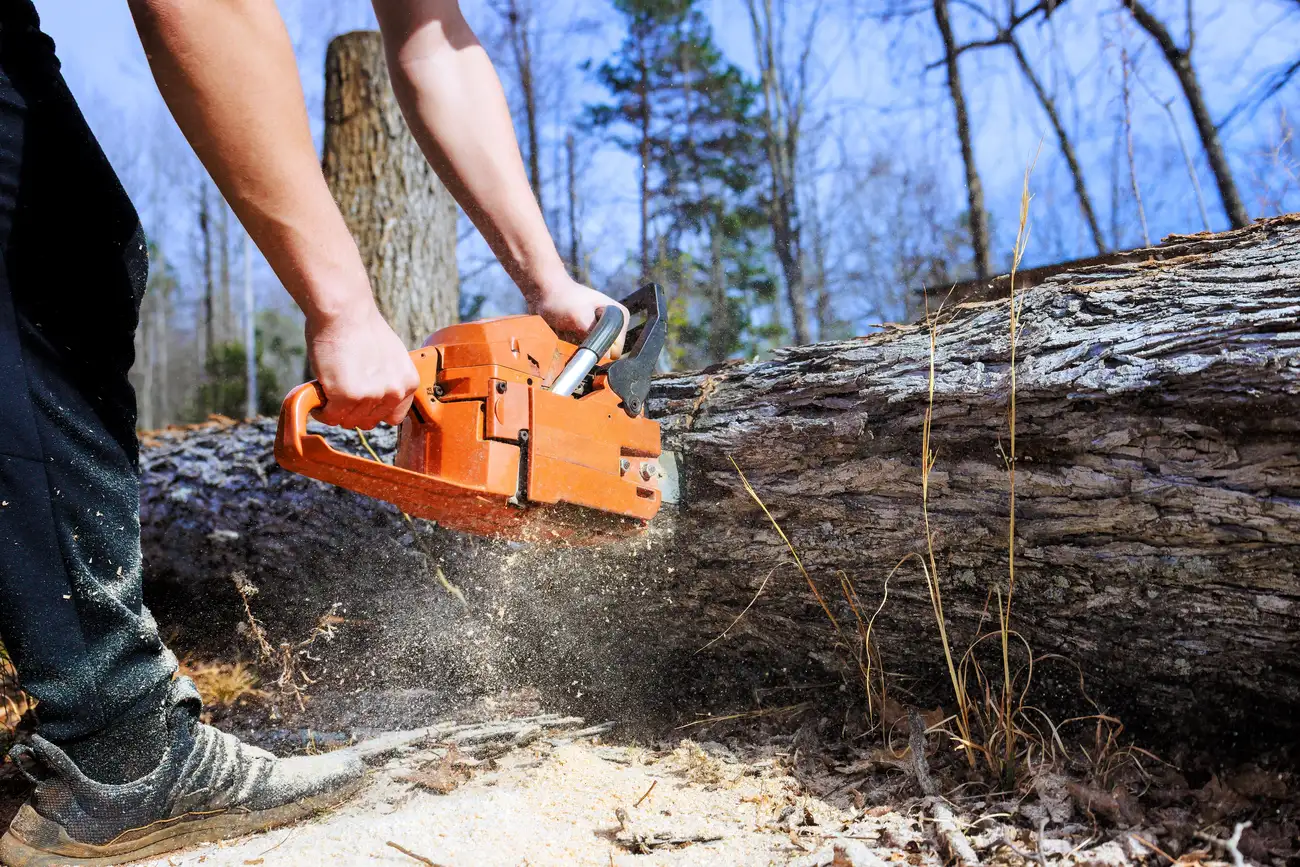
Firewood business insurance for a tree service that sells split wood means making sure general liability includes products coverage for the firewood, commercial auto lists every truck and trailer used for delivery, inland marine covers the splitter and processor, and workers’ comp reflects the people working the yard. Many tree service policies describe trimming and removal only, so selling firewood should be added on purpose, not assumed.
Turning removal wood into firewood is one of the most natural side businesses in tree work. The wood is already on the truck, and demand peaks just as tree work slows. But selling a product, running a splitter, and delivering loads to homes bring exposures that a pure tree service policy may not address. This guide walks through each one.
Why the Policy Needs to Know
General liability policies are written around a description of your business. A policy that describes tree trimming and removal may not anticipate a yard where customers pick up wood, a processor running all winter, or a product sold to the public. If a claim comes from the firewood side and the policy was never told about it, coverage questions follow. The fix is simple: tell your agent, describe the firewood business accurately, and confirm the policy includes products coverage for it.
Product Liability
Once you sell firewood, you are selling a product. Possible claims include:
- Wood that carries insects or disease into a customer’s property.
- Wood treated with or contaminated by something harmful when burned.
- Damage or injury blamed on how the wood was stacked, delivered, or burned.
Products claims are usually covered under the products and completed operations part of general liability, if the policy includes the firewood business. Confirm it in writing.
Delivery and Auto
Delivery is where many firewood claims happen: a loaded truck cracks a driveway, ruts a lawn, or backs into a mailbox or parked car. Damage from the truck itself is usually a commercial auto claim. Damage from unloading or stacking may be a general liability claim.
Make sure every truck, dump trailer, and utility trailer used for delivery is on the auto policy. If employees deliver in their own vehicles, ask about hired and non-owned auto coverage. If you haul wood for others, our post on motor truck cargo insurance for tree services explains when cargo coverage applies.
The Splitter, Processor, and Yard
Splitters, processors, conveyors, and the loader that feeds them should be scheduled on an inland marine policy at current value. Stacked wood can burn, and wood piles near buildings raise fire questions that a property insurer will ask about.
Splitters and processors cause serious hand and arm injuries. Employees who work the yard need to be covered by workers’ compensation and correctly classified, which may differ from the classification for tree work. Ask your agent how yard payroll should be reported.
Customers at the Yard
If customers pick up wood at your yard, they are on your premises, near machines and moving trucks. Keep a clear pickup area away from equipment, keep children and pets out of the work area, and make sure your general liability policy covers the yard location.
Rules for Selling Firewood
Two kinds of rules usually apply.
Measuring and labeling. Many states regulate how firewood is sold, including the units allowed and what must appear on an invoice or label. The National Institute of Standards and Technology publishes a firewood facts sheet that explains common measurement terms and why vague terms cause disputes. Check your state’s weights and measures office.
Moving firewood. Some states and federal programs restrict moving firewood across certain lines to limit the spread of tree pests. Check your state agriculture department before you sell wood that came from another area or deliver across state lines.
Following the rules avoids complaints that can turn into claims, and it protects the reputation of a business built on referrals.
Seasonal Payroll
Firewood work often peaks in fall and winter, when tree work slows. Some tree services move climbers and ground workers to the splitting yard; others hire seasonal help. Either way, report the yard payroll to your agent so workers’ comp reflects it. Seasonal workers are usually employees for workers’ comp purposes, even if they work only a few months.
Kiln-Dried and Bundled Wood
Some tree services go beyond split wood and sell kiln-dried firewood, bundles for convenience stores and campgrounds, or cooking wood for restaurants. Each step brings new exposures. A kiln adds fire risk and equipment that should be insured. Selling to stores and restaurants brings retail customers who may ask for certificates of insurance and products coverage. Restaurants and stores may also ask for additional insured status. Tell your agent before you start selling through these channels.
Pricing and Records
Keep firewood sales and expenses separate from tree work in your books. Clear records help at audit time, show your agent how large the firewood business really is, and make pricing decisions easier.
Questions to Ask Your Agent
- Does my general liability policy describe the firewood business and include products coverage for it?
- Is the yard where I split and store wood listed as a location?
- Are the splitter, processor, and loader scheduled at current values?
- How should yard payroll be classified for workers’ comp?
- Are all delivery trucks and trailers on the auto policy?
- Do I need anything extra if I sell through stores or to restaurants?
Asking these questions before the season starts avoids surprises when the first claim arrives.
Illustrative Example
This is a hypothetical, labeled example, not a real claim. A tree service sells split oak from removals each winter, delivering with a dump trailer. During one delivery, the loaded trailer cracks a customer’s decorative driveway. Because the owner told the agent about the firewood business, the policy describes it, and the claim is handled without a coverage dispute. The owner adds a rule to ask about driveway weight limits before backing in.
The lesson is that the firewood side of the business is only as well covered as its description. The owner did nothing unusual on the delivery; what made the claim simple was a phone call to the agent months earlier. Owners who add firewood quietly, without telling anyone, often learn about the gap at the worst possible moment, with a customer waiting and an adjuster asking questions about a business the policy never mentions.
Frequently Asked Questions
Does my tree service insurance cover selling firewood?
Not automatically. Many tree service policies describe trimming and removal, not selling a product. Tell your agent you sell firewood so the general liability policy includes products coverage for it, and make sure delivery and the splitting yard are covered too.
What liability comes with selling firewood?
Product claims, such as wood that carries insects or contains something harmful; delivery damage to driveways, lawns, and vehicles; injuries to customers who pick up wood at your yard; and complaints about the amount delivered.
Do I need special auto coverage for firewood delivery?
Your commercial auto policy should list every truck and trailer used for deliveries, and the policy should reflect that you haul loads for sale. If employees use their own vehicles to deliver, hired and non-owned auto coverage is worth discussing.
Is the log splitter covered?
Schedule the splitter, processor, and any conveyor on an inland marine policy at current value. Injuries to employees running the splitter fall under workers’ compensation, and injuries to customers at the yard fall under general liability.
Are there rules for how firewood is sold?
Yes. Many states regulate how firewood is measured and labeled for sale, and some restrict moving firewood to limit the spread of tree pests. Check your state’s weights and measures office and agriculture department before you sell.
The Bottom Line on Firewood Business Insurance
Firewood can be a strong winter business, but only if the insurance knows it exists. Describe the firewood side to your agent, cover the yard, the trucks, and the product, and follow your state’s selling rules. Request a quote and include the firewood business in the description.

More from Running & Growing Your Business
Ready to get properly covered?
Tell us about your tree care operation and we'll compare options across our carrier network. Quote response within 1–2 hours during business hours.
Independent agency · 16+ A-rated carriers · Licensed in 48 states