
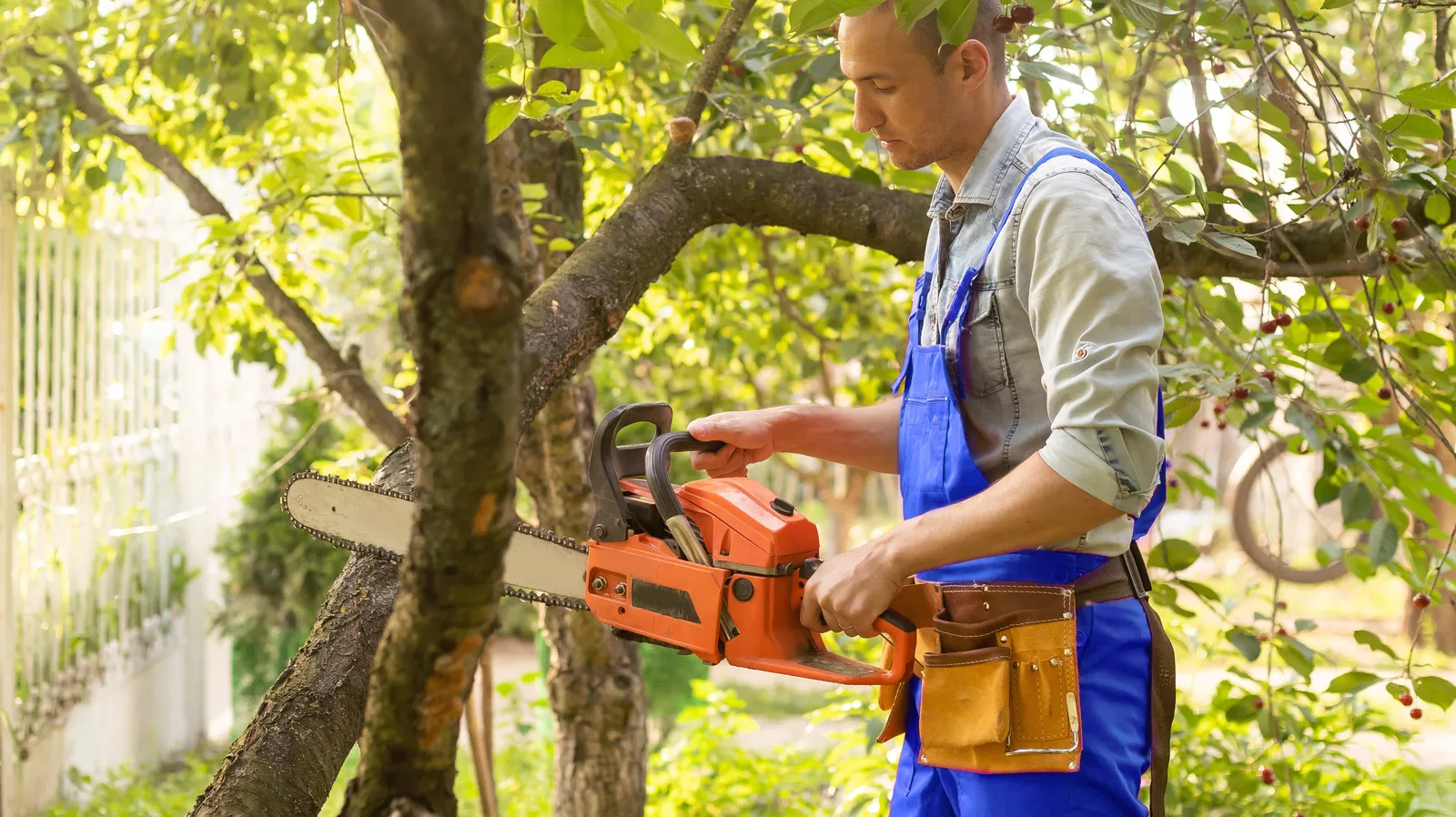
Your insurance covers your tree crew on out-of-state storm work only if each policy is set up for it: workers’ comp must list the state or include it in the other states section, commercial auto must cover the trucks on interstate trips, and general liability must fit storm removal and debris work in that territory. Some states, especially those with monopolistic state funds, need separate arrangements, so the call to your agent belongs before the crew loads up, not after the first injury.
After a major hurricane or ice storm, tree crews travel long distances to help. The work can be steady and well paid, but every state line raises questions about workers’ comp, auto, liability, licensing, and contracts. This guide explains what to check before you go.
Workers’ Comp Is the Big Question
Workers’ comp is regulated state by state. A policy written for your home state does not automatically cover employees injured in another state.
The states listed on the policy. Your policy lists the states where it provides full coverage.
The other states section. Many policies include a section that extends coverage to states listed there if you begin work in them. If the state you are traveling to is not listed, the policy may not respond.
Monopolistic state funds. A few states require employers to buy workers’ comp through a state fund, and private policies do not cover work there. Ohio is one example; our Ohio cost guide explains how its state fund works.
Call your agent with the destination state, how long you will be there, and how many workers are going. Coverage can often be added quickly, but not after an injury.
Commercial Auto on the Road
Most commercial auto policies cover listed vehicles anywhere in the United States, but check:
- Radius limits. Some policies are rated for local use and limit long-distance travel.
- Garaging. Trucks staying out of state for weeks may raise questions about where they are garaged.
- Interstate registration. Commercial vehicles crossing state lines may need a USDOT number depending on weight and use. The Federal Motor Carrier Safety Administration explains how to register for a USDOT number.
- Trailers and chippers. Make sure every towed unit is listed.
General Liability
Most general liability policies cover work anywhere in the United States. Still check for state-specific exclusions and for whether the policy’s description of your work includes storm removal and debris hauling. Storm work often involves damaged structures, downed lines, and crowded job sites, so make sure your policy fits.
Licensing in the Storm Zone
Some states and cities require contractor or tree work licenses or registration. After disasters, many tighten enforcement because homeowners are targets for unlicensed contractors. Virginia’s licensing agency, for example, warns homeowners about unlicensed contractors after storms; our post on Virginia contractor licensing for tree services covers that example. Check the destination state’s rules before you bid, and carry proof of insurance with the crew.
FEMA-Funded Debris Work
Much large-scale debris removal after declared disasters is funded through FEMA’s Public Assistance program, administered through state and local governments. FEMA explains what qualifies on its debris removal page. The insurance requirements come from the local government and the prime contractor, and they reach subcontractors through the prime contract. Expect required limits, additional insured status, and certificates before the first load. Our certificate of insurance guide explains how those requirements appear.
Payroll and the Audit
Storm work can multiply payroll for a few weeks. Report it to your agent as it happens. Payroll earned in another state may need to be reported by state for workers’ comp, and it may be classified differently if crews are loading debris rather than cutting trees. Our post on workers’ comp for debris removal companies in North Carolina explains that distinction.
Local Hires and Subcontractors
Many traveling crews hire local workers or bring in local subcontractors. Local hires are your employees and need workers’ comp in that state. Subcontractors should carry their own coverage, and you should collect their certificates before they start. Uninsured subcontractors can end up on your audit.
Housing, Travel, and Off-Hours
Storm crews live on the road: hotels, shared trucks, long drives between jobs and lodging. Injuries and accidents during travel can raise questions about whether they happened in the course of employment. Set clear rules about who drives company vehicles, when, and for what, and make sure every driver is listed or approved under your auto policy. Tired crews driving after long days cause accidents, so build rest into the schedule.
Before You Leave: A Checklist
- Call your agent with the destination, the dates, and the number of workers.
- Confirm workers’ comp coverage for the destination state in writing.
- Confirm every truck, trailer, and chipper is listed on the auto policy.
- Check whether trucks need interstate registration.
- Check licensing or registration rules where you will work.
- Have certificates ready for prime contractors and local governments.
- Plan how you will report storm payroll by state.
Who to Call With Questions
Each state’s insurance department regulates insurance sold there and can answer questions about requirements. The National Association of Insurance Commissioners explains how state insurance departments help and links to them.
Our emergency tree removal insurance page covers the coverage storm crews need, and our Florida tree service insurance page covers one of the most common storm destinations.
Coming Home
When the storm work ends, call your agent again. Report the payroll earned in each state, remove any temporary coverage you no longer need, and update the equipment list if anything was bought, damaged, or left behind. Settling these details right away makes the audit easier.
Illustrative Example
This is a hypothetical, labeled example, not a real claim. A tree service in Tennessee sends two crews to Florida after a hurricane, working under a prime debris contractor. Before leaving, the owner calls his agent, who confirms Florida is covered in the policy’s other states section, adds the prime contractor as an additional insured, and checks that every truck and chipper is listed. A climber is injured on the second week, and the claim is handled under the owner’s policy without a coverage dispute.
The difference in the example was timing. Because the owner called before the crews left, the coverage questions were answered while there was still time to fix any gaps. Owners who wait until after an injury often discover that the destination state was never on the policy, and by then the answer cannot be changed. The call takes minutes; the gap can cost the business.
Frequently Asked Questions
Does my workers’ comp cover my crew in another state?
Only if the policy is set up for it. A workers’ comp policy lists the states where it applies, and coverage for other states depends on what is listed in the other states section. Some states, including those with monopolistic state funds, need separate arrangements. Call your agent before the crew leaves.
Is my general liability valid in another state?
Most general liability policies cover work anywhere in the United States, but check for territory limits, state-specific exclusions, and whether the policy’s description of your work fits storm debris and removal jobs.
Does my commercial auto policy cover trucks driving to another state?
Commercial auto generally covers listed vehicles across the United States, but radius limits, garaging rules, and federal registration requirements for interstate operation can apply. Confirm with your agent and check whether your trucks need a USDOT number.
Do I need a license to do storm work in another state?
Possibly. Some states and cities require contractor or tree work licenses or registration, and some tighten enforcement after disasters to protect homeowners from unlicensed contractors. Check before you bid.
What do FEMA-funded debris jobs require?
Insurance requirements come from the local government and prime contractor that hire you, not from FEMA directly. Expect required limits, additional insured status, and certificates before work begins.
The Bottom Line on Out-of-State Storm Work
Every state line is a reason to call your agent. Confirm workers’ comp, auto, liability, licensing, and contract terms before the crew leaves. Request a quote before storm season and we will set your program up to travel.

More from Coverage Explained



Ready to get properly covered?
Tell us about your tree care operation and we'll compare options across our carrier network. Quote response within 1–2 hours during business hours.
Independent agency · 16+ A-rated carriers · Licensed in 48 states