General Liability Insurance for Tree Service Contractors

The foundation of every tree care insurance program — protecting your business when work on someone else's property causes damage or injury.

Get a Free Quote
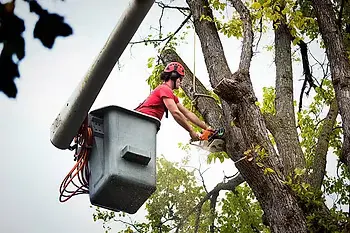
Tree service worker in a bucket lift pruning branches from a large tree

What Is General Liability Insurance?

General liability (GL) insurance — formally called a Commercial General Liability policy — covers your tree care business when your operations, employees, or completed work causes bodily injury or property damage to someone outside your company.

For tree service contractors, GL is non-negotiable. You're operating heavy equipment and sharp tools in close proximity to homes, vehicles, landscaping, and people. A single large-loss claim without adequate GL coverage can be financially devastating.

Beyond protection, most commercial clients, municipalities, homeowners associations, and utility companies require proof of GL coverage before allowing work to begin. Having adequate limits — and the right endorsements — is often what separates you from competitors for larger contracts.

Completed Operations: The Coverage Most Contractors Miss

One of the most important — and frequently misunderstood — parts of a GL policy for tree care is completed operations coverage. This covers claims that arise after a job is finished and your crew has left the property.

Tree care completed operations claims are surprisingly common. A tree you pruned may lose a major limb weeks later due to undetected internal decay. A tree you removed may have had root systems that destabilized a retaining wall. These are real exposure scenarios, and they happen after the job is complete — meaning a policy without strong completed operations protection leaves you exposed.

Make sure your GL policy includes completed operations coverage and that it's not being eliminated by an endorsement or sub-limited in a way that guts its value.

What Your GL Policy Covers

Third-Party Bodily Injury

A bystander is struck by a falling limb during a removal. Your GL policy covers their medical expenses and any resulting lawsuit.

Third-Party Property Damage

A tree you're removing comes down on a neighbor's fence or vehicle. GL covers the damage and your legal defense if they sue.

Completed Operations

A tree you pruned six weeks ago loses a major limb and damages a roof. Completed operations coverage responds even after the job is done.

Personal & Advertising Injury

Covers claims of libel, slander, copyright infringement, or wrongful eviction related to your business — less common but still important.

Medical Payments

Pays minor medical expenses for third-party injuries regardless of fault — a cost-effective way to handle small incidents before they become lawsuits.

Products Liability

If your company sells firewood, mulch, or other products, products liability covers claims arising from those products.

Why GL Is Especially Critical for Tree Care

Tree care carries liability exposure that most contractors don't fully appreciate until a claim happens. These are the scenarios that most often trigger GL claims in this industry.

  • Property damage from tree removal — even a well-executed removal creates property damage risk
  • Root intrusion damage — roots disturbed during removal or stump grinding can later damage sewer lines or foundations
  • Aerial work over structures — working near or over buildings, vehicles, or utilities creates significant exposure
  • Climbing and rigging failures — equipment failure or rigging miscalculation during work on customer property
  • Third-party injury in public right-of-way — work near roads, sidewalks, or public spaces increases exposure
  • Completed operations — claims that arise after a job is finished are one of the most common in tree care

Common GL Exclusions to Know

A standard CGL policy is broad, but several important exclusions are relevant for tree care companies. Understanding these gaps is the first step to closing them.

Pollution

Standard GL policies exclude pollution claims almost entirely. If you apply pesticides or herbicides, you need a separate contractor's pollution liability policy.

Auto

Vehicles are excluded from GL. Claims arising from your trucks, chippers, and trailers belong under your commercial auto policy.

Employee Injuries

GL doesn't cover injuries to your own employees — that's the job of workers' compensation. The two policies work together; neither replaces the other.

Professional Liability

Advice-based claims (e.g., an arborist's recommendation that a client follows and something goes wrong) may not be covered under standard GL. Some specialty policies include professional coverage; many don't.

General Liability by State

We write tree service general liability in 48 states. Carrier availability, minimum limits, and requirements vary by state. Select your state for details or call us for a quote.

View All State Guides
Indiana Illinois Ohio Michigan Kentucky Tennessee Texas Florida Georgia North Carolina Pennsylvania New York + more states

Get a General Liability Quote for Your Tree Care Business

We'll compare GL options from our network of specialty carriers and help you understand exactly what each policy does — and doesn't — cover.