
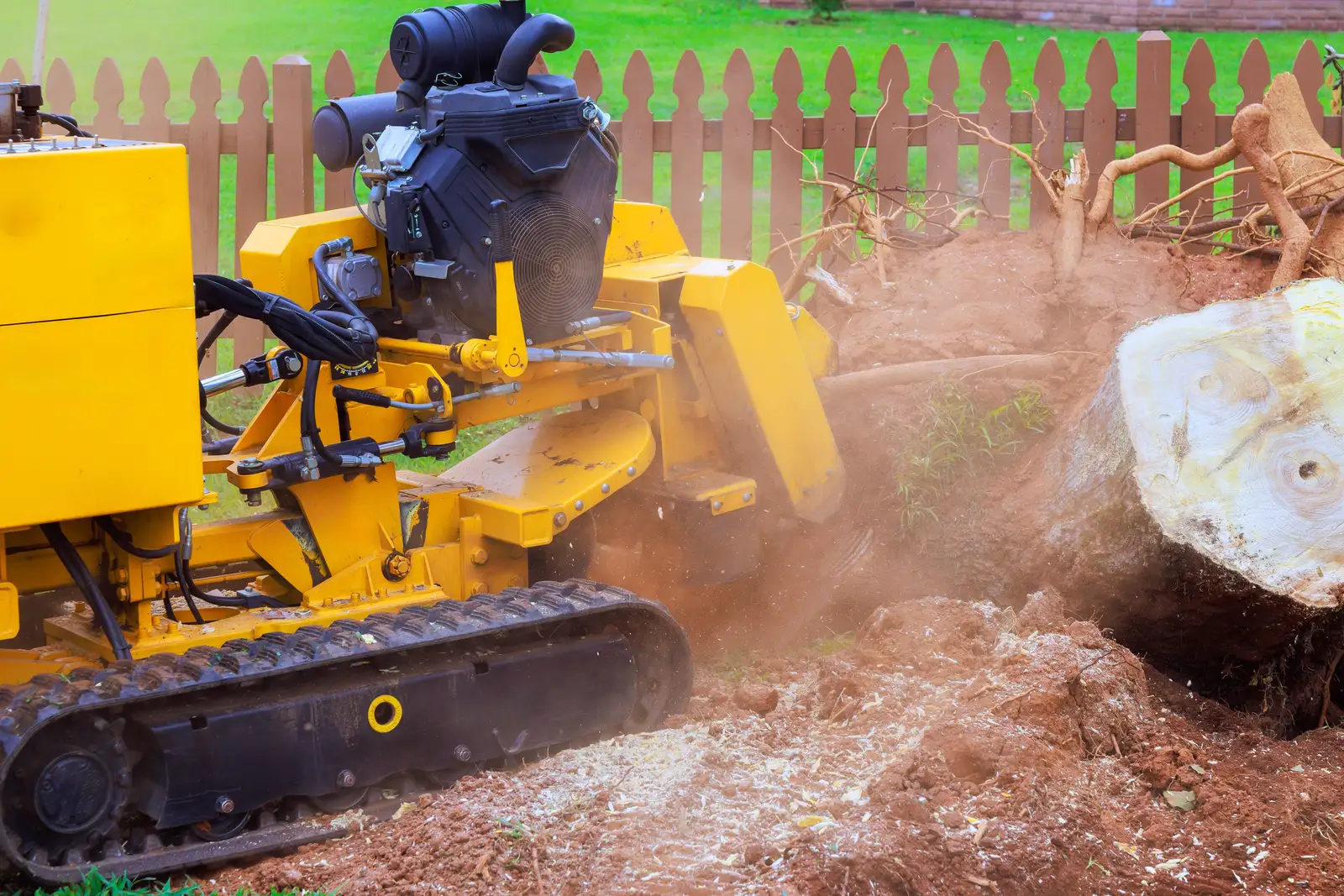
Insurance for a one-man tree service starts with general liability written for tree work, commercial auto for the truck and any chipper or trailer, and inland marine for saws, climbing gear, and machines. The biggest open question for a solo climber is the owner’s own injury, because workers’ comp for owners is often optional and a fall or saw cut can stop all income.
Plenty of tree services start with one person, one truck, and a climbing kit. The insurance a solo owner needs is simpler than a crew’s, but the stakes are just as high: one damaged roof or one injury can end the business. This guide covers what a one-man tree service actually needs and how things change when the first helper shows up.
The Core Coverage
General liability pays when your work damages someone else’s property or injures someone. A limb through a roof or a section landing on a car is a general liability claim. Make sure the policy is written for tree work; our post on whether a landscaping policy covers tree work explains why that matters.
Commercial auto covers the truck. Personal auto policies often exclude or limit business use, especially a truck towing a chipper or hauling brush. List any chipper or trailer you tow.
Inland marine covers your saws, climbing gear, rigging, and any grinder or small machine against theft and damage. For a solo owner, losing the kit can mean losing weeks of work.
Your Own Injury
This is where solo owners make the biggest choice. In many states, sole proprietors and some business owners can exclude themselves from workers’ comp. That lowers the cost, but it also means a fall from a tree may not be covered by any business policy.
Options to discuss with your agent:
- Including yourself on workers’ comp where the state allows it, which covers medical bills and part of lost wages.
- Disability insurance, which replaces part of your income if you cannot work.
- Accident coverage that pays set amounts for certain injuries.
Health insurance may cover medical bills, but it does not replace income, and some health plans exclude work injuries. Check yours.
Customers Ask for Proof
Even when the law does not require workers’ comp for a solo owner, many customers, property managers, and general contractors ask for it. Some states offer a certificate or exemption form that shows the owner is not required to carry coverage. Ask your agent what is available in your state, and keep a current certificate of insurance ready. Our certificate of insurance guide explains what customers look for.
When the First Helper Shows Up
The day you bring on a groundworker, even part time or for a single job, the picture changes.
Employee or subcontractor? If you direct how, when, and where the helper works, and supply the tools, that person is likely an employee under most tests, even if you pay cash by the day. The Internal Revenue Service explains the factors on its independent contractor defined page, and states apply their own tests for workers’ comp.
Workers’ comp becomes the question. Many states require coverage once you have employees, sometimes from the first one. Even where the threshold is higher, an injured helper without coverage can bring a claim against you directly.
Payroll changes your premium. Tell your agent as soon as you hire so the policy reflects real payroll and the audit does not bring surprises.
Our guide to when to hire your first tree service employee covers the hiring decision itself.
Business Structure and Records
Forming an LLC can separate business debts from personal assets in some situations, but it does not replace insurance; a claim that exceeds your coverage can still threaten the business. Our post on whether tree service contractors need an LLC covers the trade-offs. Keep business and personal money separate, track mileage and equipment purchases, and keep copies of every certificate you issue. The U.S. Small Business Administration’s guide to managing your business finances is a useful starting point.
Renting Equipment as a Solo Owner
Many solo climbers rent a lift, a stump grinder, or a larger chipper for bigger jobs rather than owning them. Rental agreements usually make you responsible for damage and theft. Ask your agent whether your inland marine policy covers rented equipment, and at what limit. If you rent often, it may be worth adding rented equipment coverage rather than buying the rental company’s damage waiver every time.
Licensing
Some states and cities license tree work or require registration before you advertise or contract. Our guide to whether you need a license for a tree service business covers how to check.
Questions to Ask Your Agent
- Is my general liability written for tree work, including climbing and removals?
- Can I include myself on workers’ comp, and what would it cost?
- Is my truck on a commercial policy, with any chipper or trailer listed?
- Are my saws and climbing gear covered for theft from the truck?
What It Costs
Tree service business insurance, meaning general liability, commercial auto, and workers’ comp, usually ranges from $2,500 a year for a small business with one or two employees to over $6,000 a year for a larger one. A true solo operation without workers’ comp often sits toward the lower end. Our guide to how much tree service insurance costs explains what moves the price.
Illustrative Example
This is a hypothetical, labeled example, not a real account. A solo climber runs a pickup and a small towed chipper, carries general liability written for tree work, and has listed his saws and climbing gear on an inland marine policy. He excluded himself from workers’ comp but bought disability coverage. When a homeowner’s property manager asks for proof, he provides his certificate and the state exemption form. The next spring he hires a groundworker for weekends and calls his agent the same week to add workers’ comp.
The example shows how a solo program grows in steps. The climber did not buy everything at once. He covered the risks that could end the business, made a deliberate choice about his own injury, and called his agent the week his first helper started rather than waiting for renewal. That habit of calling early is what keeps a small program from developing gaps as the business changes.
Frequently Asked Questions
What insurance does a one-man tree service need?
General liability written for tree work, commercial auto for the truck and any trailer or chipper, and inland marine for saws, climbing gear, and machines. Many solo owners also consider coverage for their own injuries, since workers’ comp for owners is often optional and an injury can stop all income.
Does a one-man tree service need workers’ comp?
It depends on the state and how the business is set up. Many states let sole proprietors and some business owners exclude themselves. Once you hire anyone, even part time, workers’ comp is usually required, and many customers ask for a certificate either way.
Is my helper an employee or a subcontractor?
If you direct how, when, and where a helper works and supply the tools, the helper is likely an employee under most tests, even if paid in cash or by the day. Treating an employee as a subcontractor can leave an injury uncovered and create an audit bill.
Can I use my personal truck for tree work?
Personal auto policies commonly exclude or limit business use, especially for a truck hauling a chipper or debris. A commercial auto policy is the safer choice once the truck is used for jobs.
What happens if I get hurt and have no coverage?
Your own health insurance may pay some medical bills, but it will not replace lost income, and some health plans exclude work injuries. That is why many solo climbers consider including themselves on workers’ comp, or buying disability or accident coverage.
The Bottom Line on Insuring a One-Man Tree Service
Cover what you might damage, what you drive, and what you own, and make a deliberate choice about your own injury. Call your agent the day a helper starts. Request a quote and we will build a program sized for a solo climber.

More from Starting a Tree Service Business
Ready to get properly covered?
Tell us about your tree care operation and we'll compare options across our carrier network. Quote response within 1–2 hours during business hours.
Independent agency · 16+ A-rated carriers · Licensed in 48 states