
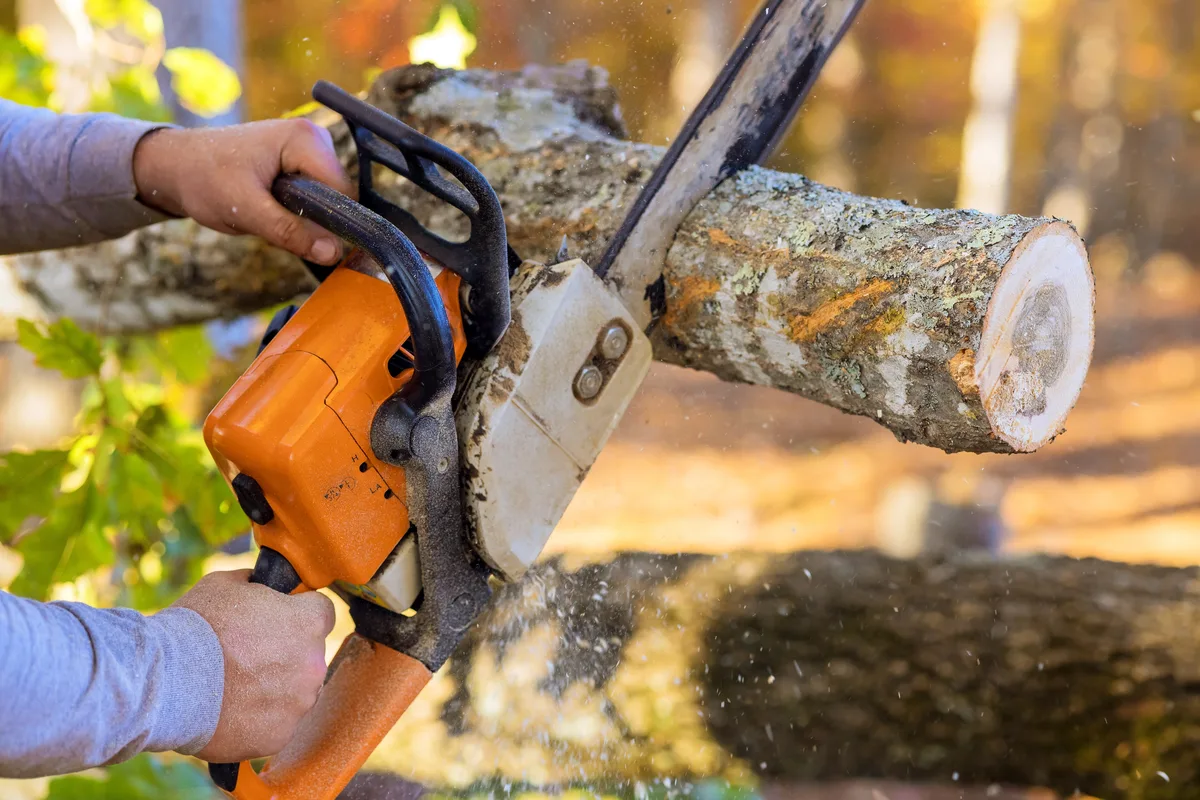
Tree services in Virginia generally do not need a contractor license for tree trimming: the Department of Professional and Occupational Regulation states that “a license is generally not required for tree trimming.” But DPOR also says that land-disturbing work usually triggers the need for licensure and that a license is required for most contracting work or bids above a small dollar threshold, so stump work, grading, and bundled projects can change the answer.
The difference between trimming a tree and disturbing the land beneath it matters in Virginia. Many tree services do both, sometimes on the same job. This guide explains what DPOR says, where the line falls, and how insurance fits alongside licensing.
What DPOR Says
DPOR’s news release warning homeowners about unlicensed contractors after storms makes several points tree services should know:
- “A license is generally not required for tree trimming.”
- “Land-disturbing work usually triggers the need for licensure.”
- A state license is required for most contracting work or bids above a small dollar threshold that DPOR sets.
- Homeowners can verify a contractor through DPOR’s License Lookup.
DPOR’s storm damage warning for consumers repeats the message to verify licenses before hiring for storm repairs.
Where the Line Falls
Tree trimming. Pruning and trimming generally do not require a state contractor license, according to DPOR.
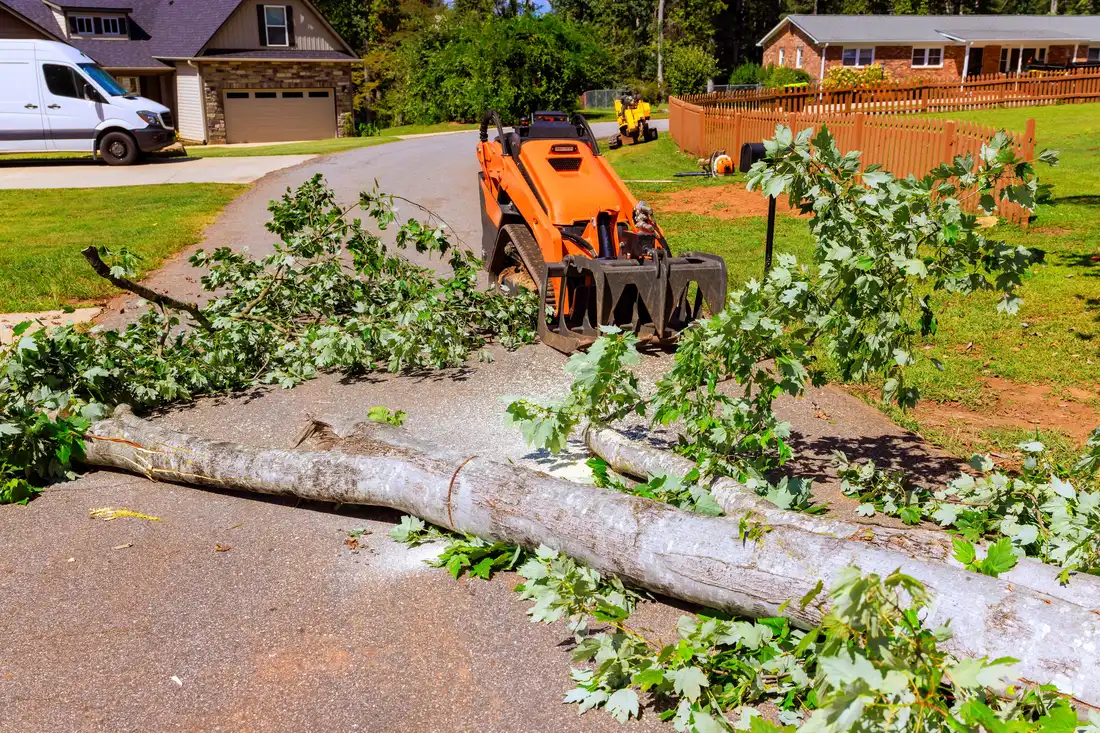
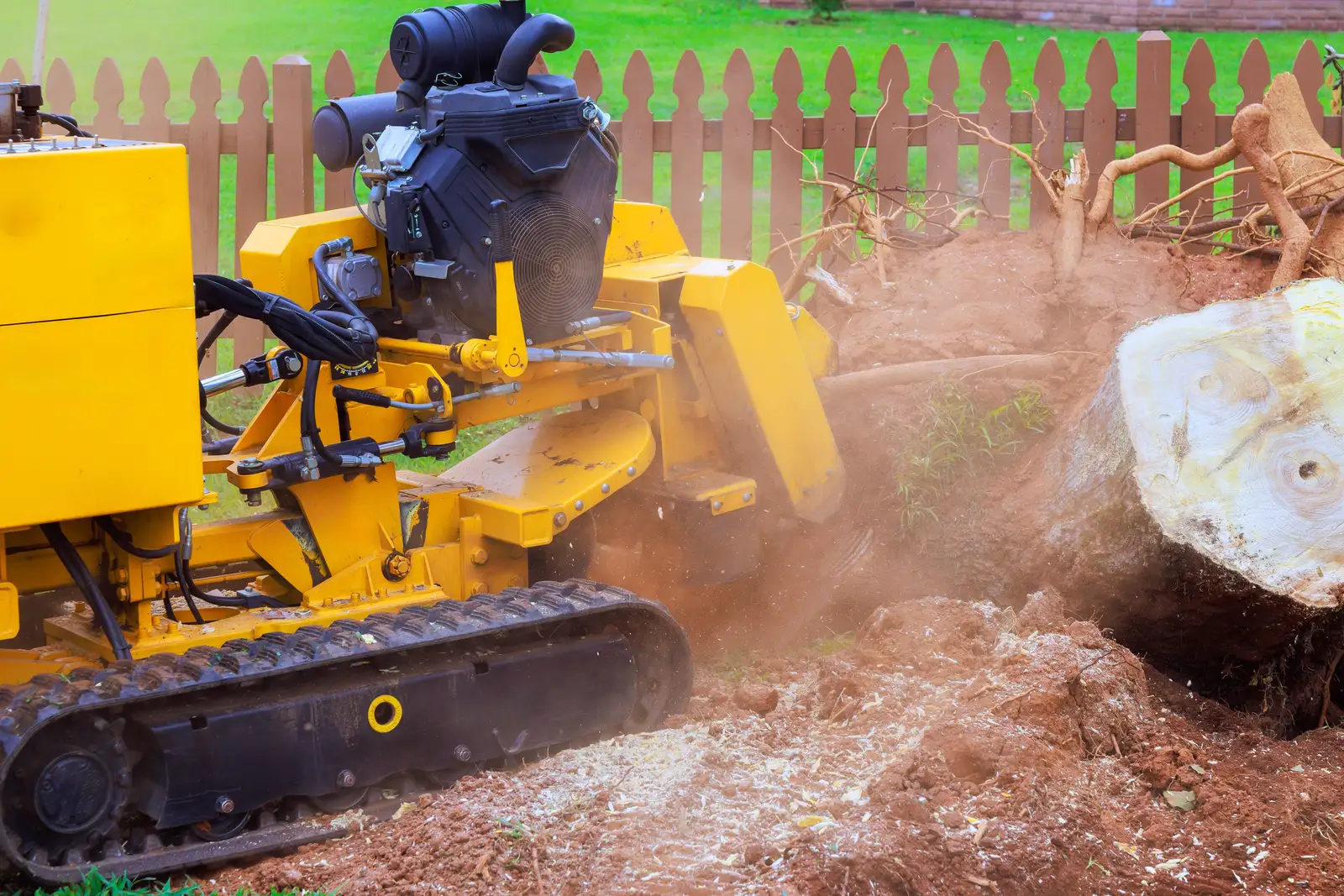
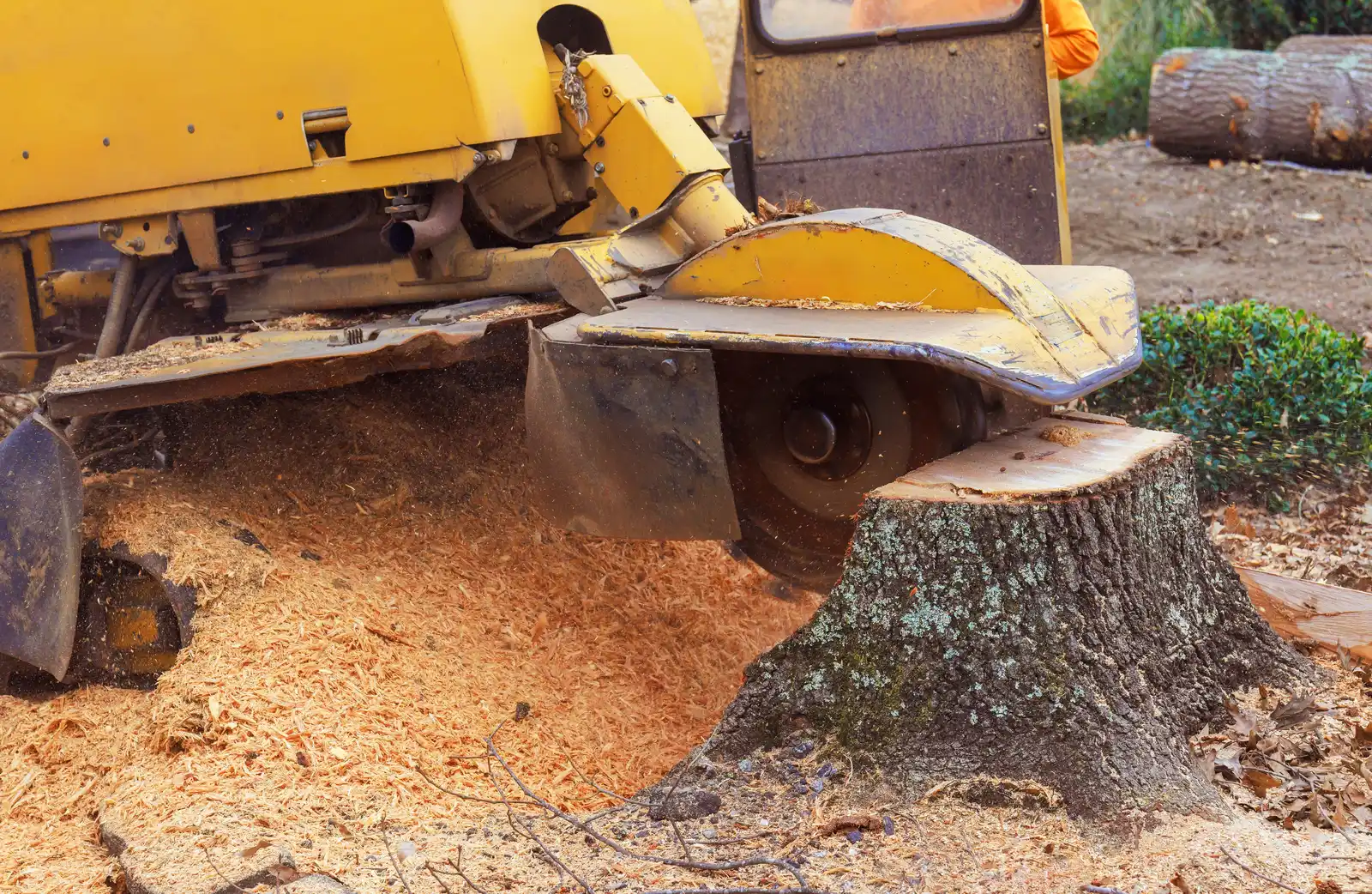
Tree removal. DPOR’s storm guidance does not address removal directly. Removal that stays above ground may look like trimming; removal that includes stump grinding, root removal, or regrading may not. Check with DPOR for your situation.
Land-disturbing work. Grading, excavation, and clearing that disturbs the ground usually trigger licensing, according to DPOR. Land clearing companies and tree services that grade lots should assume the question applies to them. Our guide to who writes insurance for land clearing and grading companies covers the insurance side of that work.
Bundled contracting. If you take on repairs or construction as part of a job, such as fixing a fence or a roof after removing a tree, the contracting rules may apply to that part of the work.
Local Rules
Cities and counties may require business licenses and permits, and some regulate tree removal in certain areas. Check with the locality where you work.
Insurance for Virginia Tree Services
Licensing and insurance are separate questions. Even where no license is required, customers, property managers, and general contractors ask for proof of insurance. A Virginia tree service typically carries:
- General liability written for tree work.
- Workers’ compensation for employees.
- Commercial auto for trucks, chippers, and trailers.
- Inland marine for saws, climbing gear, and machines.
- Umbrella limits for larger contracts.
If you do land-disturbing work, make sure your liability policy describes it, and ask your agent about pollution exposures from sediment and fuel. Our land clearing insurance page covers that coverage.
After Storms
DPOR’s warnings exist because storms bring unlicensed contractors. A tree service that can show its license status, if one applies, and a certificate of insurance sent by its agent stands out to careful homeowners. Our post on who pays for tree removal after a storm explains how homeowners insurance usually treats storm damage, and our post on out-of-state storm work covers crews traveling into Virginia.
Contracts, Bids, and the Dollar Threshold
DPOR ties the license requirement for most contracting work to bids above a small dollar threshold. For tree services, that raises a practical question: when a job includes work that may count as contracting, such as grading, drainage, or repairs after a removal, the size of the bid can matter. If you bid combined jobs, separate the tree work from any contracting work on the estimate, and check with DPOR before bidding the contracting portion if you are not licensed for it.
Subcontracting the contracting work to a licensed contractor is a common solution. When you do, collect the subcontractor’s certificate of insurance, make sure your contract with the customer describes who does what, and confirm with your agent that your liability policy responds the way you expect when a subcontractor is on the job.
What Homeowners Should Ask
Homeowners hiring a tree service in Virginia can protect themselves with a few questions:
- Is this job tree trimming, or does it include grading, excavation, or repairs?
- If it includes contracting work, who holds the license, and can I check it in DPOR’s License Lookup?
- Can your insurance agent send me a certificate of insurance directly?
- Will the contract describe cleanup, stump work, and any repairs?
Our guide to how to find insured and bonded tree service companies covers the insurance checks in more detail.
Growing Into Land Work
Many Virginia tree services add stump grinding, lot clearing, and grading as they grow, because builders and property owners want one company for the whole job. Each step deeper into the ground moves the business closer to work that DPOR says usually triggers licensure. Plan the licensing and the insurance together: the license question with DPOR, and the liability, equipment, and workers’ comp questions with your agent. Our stump grinding insurance page covers coverage for stump work.
Our Virginia Page
Our Virginia tree service insurance page covers the state’s market, and our guide to whether you need a license for a tree service business compares licensing across states.
Questions to Ask Your Agent
- Does my general liability policy describe every kind of work I do, including any clearing or grading?
- Does the pollution exclusion apply to sediment or fuel on land jobs?
- Are stump grinders, mulchers, and other machines scheduled at current values?
- How should I handle certificates from subcontractors who do licensed work?
- Do my limits meet what builders and property managers require?
Illustrative Example
This is a hypothetical, labeled example, not a real account. A Virginia tree service that mostly trims and removes residential trees is asked by a builder to clear and grade several lots. The owner checks with DPOR, learns the grading work is likely to require licensure, and decides to subcontract the grading to a licensed contractor while his crews handle the tree work. He asks his agent to confirm his liability policy covers the clearing and to collect the grading contractor’s certificate.
The owner did not have to give up the job or take on work he was not licensed for. By checking with DPOR first and subcontracting the grading, he kept the tree work, stayed within the rules, and gave the builder a single point of contact. Collecting the subcontractor’s certificate and confirming his own policy closed the insurance side of the arrangement.
Frequently Asked Questions
Do tree services need a contractor license in Virginia?
For tree trimming, generally not. Virginia’s Department of Professional and Occupational Regulation states that a license is generally not required for tree trimming. Land-disturbing work usually triggers the need for licensure, and DPOR states that a license is required for most contracting work or bids above a small dollar threshold.
Does tree removal need a Virginia contractor license?
DPOR’s storm guidance addresses tree trimming and land-disturbing work but does not address tree removal directly. If removal involves stump grinding, grading, or other ground disturbance, or is bundled with contracting work, licensing may apply. Check with DPOR for your situation.
How can a homeowner check a Virginia contractor’s license?
DPOR provides a License Lookup that homeowners can use to verify a contractor’s license before hiring.
Why does DPOR warn about storm contractors?
After storms, homeowners are targets for unlicensed contractors. DPOR issues warnings and storm damage guidance encouraging homeowners to verify licenses before hiring for repair work.
What insurance should a Virginia tree service carry?
General liability written for tree work, workers’ compensation for employees, commercial auto for trucks and chippers, and inland marine for equipment. Customers and contracts often require proof regardless of licensing.
The Bottom Line on Virginia Contractor Licensing for Tree Services
Trimming generally does not need a Virginia contractor license, but land-disturbing and contracting work usually does. Know where your jobs fall, check with DPOR, and carry the insurance customers expect. Request a quote to get started.

More from Starting a Tree Service Business
Ready to get properly covered?
Tell us about your tree care operation and we'll compare options across our carrier network. Quote response within 1–2 hours during business hours.
Independent agency · 16+ A-rated carriers · Licensed in 48 states