
Portable sawmill insurance for a tree service that mills its own logs means scheduling the mill and its trailer on an inland marine policy, making sure general liability describes milling and any lumber you sell, and confirming workers’ comp covers the people running the mill. A tree service policy that describes trimming and removal usually does not cover a sawmill until you add it.
Urban lumber has become a real business for tree services. Instead of paying to dispose of a big walnut or oak, some owners mill it into slabs and boards and sell them to woodworkers, builders, and homeowners. Others run custom milling on customers’ property. A sawmill turns waste into income, but it adds machinery, a product, and a new set of injuries. This guide covers how to insure it.
Tell Your Insurer About the Mill
Milling is not tree work. It involves a blade, log decks, loaders, and finished products sold to the public. If your insurance describes your business as tree trimming and removal, a claim from the mill may lead to a coverage dispute. Describe the milling side to your agent: whether you mill only your own logs, whether you mill on customers’ property, and whether you sell lumber.
Insuring the Mill
Schedule the mill on your inland marine policy at current value, along with any log arch, loader, kiln equipment, or edger. Confirm coverage for:
- Theft, since mills often sit at remote sites or in a yard.
- Fire, which can start from sawdust and hot engines.
- Transit, if you tow the mill between sites.
- Damage from hidden metal, such as nails, fencing, and spikes in urban logs. Check how the policy treats blade and mechanical damage.
If you tow the mill, list its trailer on your commercial auto policy.
Protecting the People Who Run It
Sawmills cause serious injuries. The main hazards are contact with the blade, thrown material, logs rolling off decks or loaders, and strain from moving heavy timbers. The Occupational Safety and Health Administration’s sawmills safety topic and its sawmills eTool cover log handling, machine guarding, and safe operation.
Employees who run or help with the mill need workers’ compensation, and their work may be classified differently from tree work. Ask your agent how to report payroll for milling so the audit matches reality.
Custom Milling on Customers’ Property
Custom milling means setting up on someone else’s land, often with the customer watching. Risks include:
- Damage to lawns, driveways, and landscaping from moving logs and equipment.
- Injuries to customers or family members who get too close.
- Disputes over hidden metal that damages the mill or ruins boards.
Make sure your general liability policy describes custom milling. Set up a clear work zone, keep spectators back, and put terms about hidden metal and blade damage in your agreement.
Selling Lumber and Slabs
Once you sell lumber, you are selling a product. Claims can arise if boards fail in use, contain hidden defects, or bring insects into a customer’s home. Products coverage on general liability can respond, if the policy includes the milling business. Be clear with buyers about what they are getting:
- Whether the wood is air-dried, kiln-dried, or green.
- Whether it has been graded, and whether it is suitable for structural use.
- That urban logs may contain metal or defects.
Storing Logs and Lumber
Log piles and drying stacks take up space and can burn. Logs stored on a yard can roll or shift. Property insurers will ask about stacked wood near buildings. Keep stacks stable, away from structures, and away from customer pickup areas. If lumber drying in a building is a large value, ask whether it is covered as business property.
Moving Logs Off the Job Site
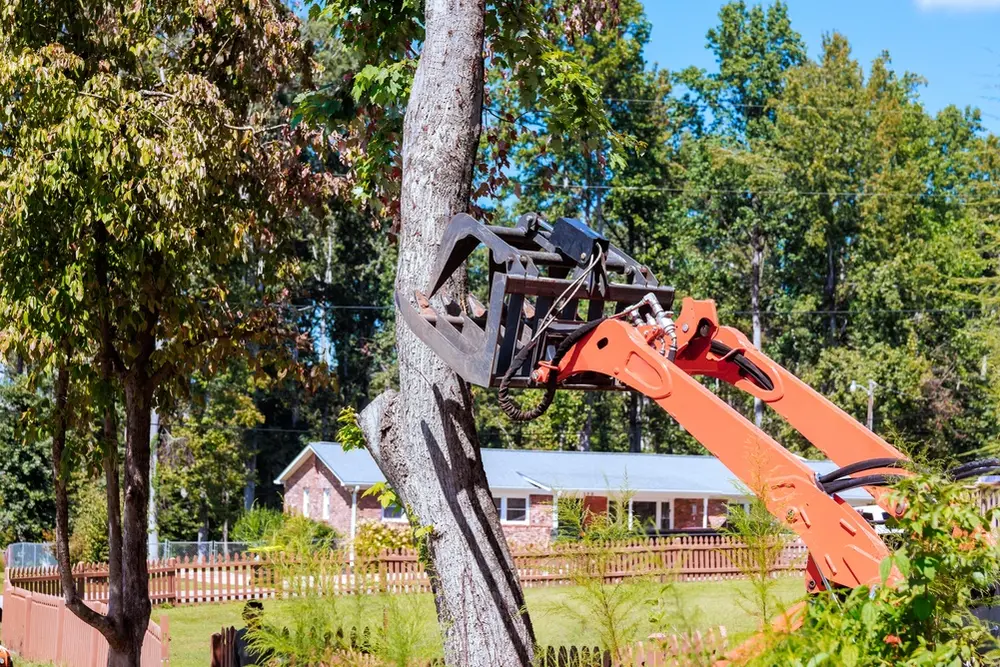
Getting logs from a removal job to the mill brings its own risks: loading with a grapple or loader, hauling heavy logs, and securing loads on the road. Make sure trucks and trailers used for log hauling are on the auto policy, and that load securement is part of crew training. Our post on motor truck cargo insurance for tree services explains when cargo coverage applies.
Kilns and Drying Buildings
Many urban lumber businesses add a solar or electric kiln, or a drying shed, to sell finished boards. A kiln brings fire risk, electrical equipment, and stored lumber that may be worth a lot. Ask your agent how the kiln and the lumber inside it are covered, whether under a property policy, inland marine, or both, and whether there are conditions for fire protection.
Records That Help
Keep a log of the logs: where each came from, when it was milled, and where the lumber went. Good records help with customer questions about where their wood came from, support products claims if they arise, and show your agent how large the milling business really is. Track milling payroll and revenue separately from tree work too, so workers’ comp and liability are rated on accurate numbers.
Questions to Ask Your Agent
- Does my general liability policy describe milling, custom milling, and lumber sales?
- Is the mill scheduled at current value, including in transit and on customers’ sites?
- How does the policy treat blade and mechanical damage from hidden metal?
- How should milling payroll be classified for workers’ comp?
Illustrative Example
This is a hypothetical, labeled example, not a real claim. A tree service buys a portable bandsaw mill to turn removal logs into slabs for local woodworkers. The owner tells his agent, who schedules the mill and trailer, adds milling to the liability description, and sets up payroll reporting for the time employees spend on the mill. Months later, a hidden spike in a yard tree damages the blade carriage during a custom milling job. The mechanical damage is handled under the inland marine policy’s terms, and the customer agreement already covered who pays for blades ruined by hidden metal.
The example shows why milling belongs in the insurance conversation from the start. The owner told his agent before the first board was cut, so the mill, the work, and the people were all described correctly. When the hidden spike did its damage, the only questions were about the policy’s terms, not about whether the mill was covered at all.
Frequently Asked Questions
Does my tree service policy cover a portable sawmill?
Usually not unless you tell your insurer about it. Milling is a different operation from tree work, with its own injury risks and its own products. Add the mill to your equipment coverage and make sure your liability and workers’ comp policies describe the milling work.
How do I insure the sawmill itself?
Schedule the mill, trailer, and any log handling equipment on an inland marine policy at current value, with coverage for theft, fire, and damage in transit. List the mill’s trailer on your commercial auto policy if you tow it to customers.
What are the main injury risks of a portable sawmill?
Contact with the blade, kickback and thrown material, logs rolling off decks or loaders, and strain from handling heavy timbers. OSHA’s sawmill guidance covers log handling, machine guarding, and safe operation.
Do I need different coverage for custom milling on a customer’s property?
Custom milling brings the customer’s land and logs into the picture. Your general liability should describe custom milling, and your inland marine policy should cover the mill while it sits on a customer’s site. Hidden metal in logs can damage the mill, so check how the policy treats that.
Is lumber I sell covered for product liability?
Products coverage on general liability can respond to claims about lumber you sell, if the policy includes the milling business. Be clear with buyers about whether lumber is dried, graded, or suitable for structural use.
The Bottom Line on Portable Sawmill Insurance
A sawmill can turn removal logs into a second income, but only if the insurance knows the mill exists. Schedule the machine, describe the milling and lumber sales, and cover the people who run it. Request a quote and include your milling plans.

More from Running & Growing Your Business
Ready to get properly covered?
Tell us about your tree care operation and we'll compare options across our carrier network. Quote response within 1–2 hours during business hours.
Independent agency · 16+ A-rated carriers · Licensed in 48 states