
California requires a license from the Contractors State License Board (CSLB) for any construction project valued at $1,000 or more in labor and materials combined, and the C-49 Tree and Palm Contractor classification is the one that covers tree work. To qualify, the license qualifier needs four years of journey-level experience in the last 10 years, must pass a law and business exam plus a trade exam, and the licensee must post a $25,000 contractor license bond.
This guide uses CSLB’s own published material, retrieved on the date above, for the scope of the classification, the application steps, the bond, workers’ compensation, insurance, and fees. Fees and rules can change, so confirm them with CSLB before you apply. If you want the insurance side of a licensed tree business priced, request a quote.
What the C-49 Classification Covers
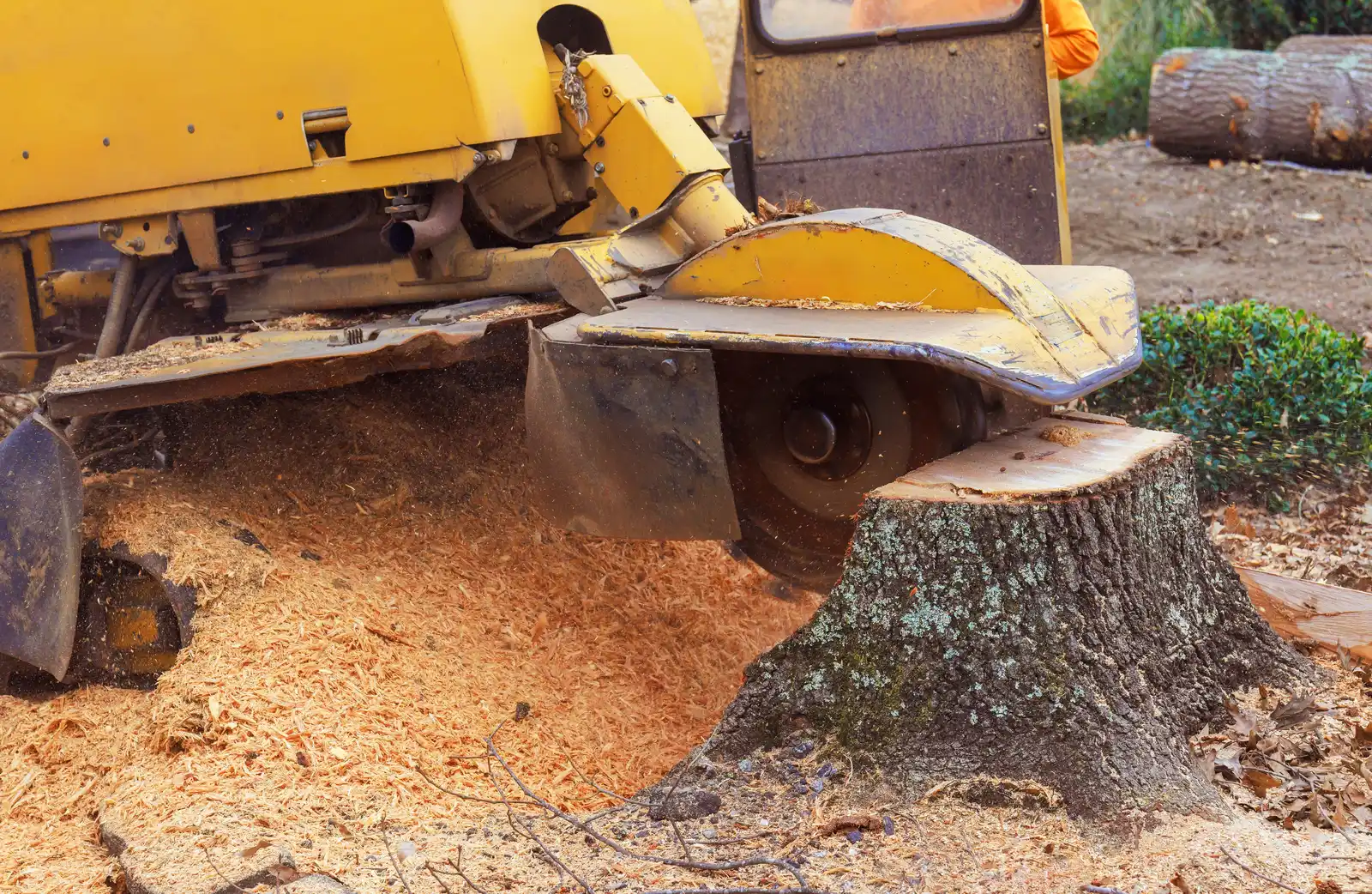
CSLB’s classification entry is titled C-49, Tree and Palm Contractor. It states that a Tree and Palm contractor plants, maintains, and removes trees and palms, and that the duties include pruning, stump grinding, and tree, palm, or limb guying.
The same entry says a license is not required for incidental pruning of trees or guying of planted trees and their limbs by a nurseryperson, or for incidental pruning of trees by a gardener as described in Section 7026.1 of the Business and Professions Code. If your work goes beyond that, you are in contractor territory.
CSLB also lists an older D-49, Tree Service Contractor, whose description reads that a tree service contractor prunes trees, removes trees, limbs or stumps, including grinding, and engages in tree or limb guying. In CSLB’s publication, the D-49 line is marked as now under C-49. Our broader guide on whether you need a license to run a tree service covers licensing across states.
When a License Is Required
CSLB’s guide states that any construction project in California valued at $1,000 or more in labor and materials combined must be performed by a CSLB-licensed contractor, and that if the work requires a permit or workers, a license is required no matter the project cost. It also states that it is illegal to divide a job into smaller parts to get around the $1,000 limit. Contractors must be licensed before submitting bids.
Experience and Exams
Each license needs a qualifier who directly supervises and controls the construction operations. CSLB says this person must be at least 18 and have four years of at least journey-level work experience in the last 10 years in the classification being applied for. Credit is given only for experience as a journeyperson, foreperson, supervising employee, or contractor, and someone other than the applicant must verify it.
CSLB states that the qualifier must pass two computer-based exams, a law and business exam and a trade exam, unless they meet the requirements for an exam waiver. The qualifier could also be randomly selected to document the experience, so keep records ready.
The Application Steps
The CSLB guide lays out the path in order. Confirm the qualifier is eligible, be ready to verify experience, complete the application, and submit it with the required fee. After CSLB reviews the application, each new applicant must submit fingerprints for a criminal background check. Then the qualifier schedules and passes the exams, and the license issues once the bond, insurance, and fee requirements for your business type are met.
CSLB’s fee list shows an original application fee of $450 for one classification, an initial license fee of $200 for a sole owner, and $350 for a non-sole owner. The guide says the initial license fee is good for two years and that fees are subject to change. Fingerprint fees are paid separately to the Live Scan operator.
The Contractor License Bond
CSLB’s bond fact sheet states that to get a California contractor license, contractors must post a $25,000 surety bond or cashier’s check with CSLB. The bond protects consumers, and a claim may be filed if the contractor violates laws, causes property damage, or does not pay workers.
A bond is not insurance. CSLB’s Bond Basics page explains that a license bond is canceled 30 days from the date CSLB receives a cancellation notice, and that if no reinstatement or replacement arrives before the end of that period the license is suspended. Keep your bond current, and see our guide on whether you need a bond for a tree service for how bonds differ from coverage.
Workers’ Compensation and Insurance
CSLB’s guide states that contractors with employees must submit proof of workers’ compensation insurance or a certificate of self-insurance issued by the Department of Industrial Relations, and that contractors without employees must submit an exemption. It adds that C-61/D-49 Tree Service contractors must carry workers’ compensation insurance or a valid certificate of self-insurance whether or not they have employees.
CSLB’s wording names C-61/D-49 and does not mention C-49, even though the classification list shows D-49 as now under C-49. We cannot say how CSLB applies the rule to a C-49 licensee, so confirm with CSLB and your agent before filing an exemption. Our workers’ comp guide for California tree service companies covers class codes and the exemption wording in detail.
On liability insurance, CSLB’s guide lists it as a requirement for LLC licenses: liability insurance with an aggregate limit of $1 million for licenses with five or fewer persons listed as personnel, with an additional $100,000 for each additional person, up to $5 million total. LLC licenses also need a $100,000 LLC/worker bond in addition to the $25,000 contractor bond. The guide describes these as LLC requirements, so a sole owner should confirm what applies. Whatever the license type, general liability is the coverage that responds when your work injures someone or damages property, and customers often ask for it. Our guide to tree service insurance requirements covers what customers ask for.
Putting It Together
A licensed California tree business needs the license, the bond, workers’ compensation as discussed above, and liability coverage that fits its contracts. Our California tree service insurance page and California cost guide cover how those pieces are priced and placed. Because rules and fees change, treat CSLB as the authority and your agent as the person who can match the coverage to the license.
Frequently Asked Questions
What is the C-49 license in California?
C-49 is the Contractors State License Board classification for a Tree and Palm contractor. CSLB describes the work as planting, maintaining, and removing trees and palms, including pruning, stump grinding, and tree, palm, or limb guying. It is issued to a licensee whose qualifier has passed the required examinations and met the experience requirement.
How much experience do I need for a C-49 license?
CSLB says the qualifier must be at least 18 and have four years of at least journey-level work experience in the last 10 years in the classification being applied for. Someone other than the applicant must verify that experience. CSLB may select an application for documentation review, so keep proof of your work history ready.
How much is the California contractor license bond?
CSLB states that to get a California contractor license, contractors must post a $25,000 surety bond or cashier’s check with CSLB. The bond protects consumers and is separate from your insurance. CSLB also says a license bond is canceled 30 days after it receives a cancellation notice, and the license is suspended if no replacement arrives.
Do C-49 contractors need workers’ compensation insurance?
CSLB says contractors with employees must submit proof of workers’ compensation coverage, and those without employees must submit an exemption. CSLB’s pages also say C-61/D-49 Tree Service contractors must carry coverage whether or not they have employees. CSLB’s wording does not mention C-49, so confirm directly with CSLB before filing an exemption.
When do I need a contractor license for tree work in California?
CSLB says any construction project valued at $1,000 or more in labor and materials combined must be performed by a licensed contractor, and a license is required regardless of cost if the work requires a permit or workers. CSLB’s C-49 text also says incidental pruning by a nurseryperson or gardener, as described in Section 7026.1, does not require one.
The Bottom Line on the C-49 License in California
The C-49 license requires four years of journey-level experience, two exams, a $25,000 bond, and the workers’ compensation and insurance steps CSLB lists for your business type. Use CSLB’s pages for the current rules, and confirm the C-49 exemption wording before relying on it.

More from Starting a Tree Service Business
Ready to get properly covered?
Tell us about your tree care operation and we'll compare options across our carrier network. Quote response within 1–2 hours during business hours.
Independent agency · 16+ A-rated carriers · Licensed in 48 states